When it’s time to replace your roof, many homeowners wonder whether their gutters should be replaced too. After all, gutters are an essential part of your roofing system, working hand-in-hand with shingles and flashing to keep water safely away from your home. Failing to address old or damaged gutters during a roof and gutter replacement can lead to issues such as leaks, foundation cracks, basement flooding, or even premature roof wear, ultimately undermining the value of your new roof. But sometimes, minor repairs or adjustments are enough to ensure your system continues to function properly. Now, the question that arises is how to determine if replacement is necessary.
Well, this blog post is here to guide you through. It walks you through the key considerations based on your home’s specific situation and long-term maintenance goals.
Overview of Roof–Gutter Replacement DecisionsGutters and roofs function as an integrated water management system, meaning a new roof can reveal or exacerbate existing gutter issues. Deciding whether to replace gutters simultaneously depends on their age, material condition, and ability to handle new water flow dynamics. While coordinated replacement often saves time and cost, functional gutters in good condition may be retained with a professional assessment. |
The Relationship Between Your Roof and Gutters
Your gutters and roofing system function as an integrated water management network. The roof collects rainwater and channels it toward the gutters, which then direct the water away from your home’s foundation. This symbiotic relationship means that changes to one component can significantly impact the performance of the other.
Structural Integration
Gutters attach directly to the fascia board, which runs along the roofline’s edge. During roof replacements, contractors often need to remove or adjust gutters to access the fascia and install new roofing materials properly. This process can stress older gutters, particularly those made from materials prone to cracking or warping under pressure.
The weight distribution between your roof and gutters also matters. For example, new roofing material can be heavier than your old roof, which may change how your gutter hangs and the amount of load they bears. So, make sure your gutters are properly realigned or reinforced during installation, or else they may sag, pull away from the fascia, or lose efficiency in directing water away from your home.
Water Flow Dynamics
The design of your roof directly impacts how water reaches your gutters. Elements such as the roof’s pitch, valleys, dormers, and multiple slopes determine the speed and volume of rainfall as it runs off the roof. Steeper sections or roof valleys can funnel large amounts of water into a small portion of your gutter system, creating areas of concentrated flow.
For your gutters to handle this efficiently, they must be properly sized, securely installed, and correctly sloped to direct water away from the home. If gutters are misaligned or undersized for the flow, water can overflow, spill onto siding, or pool around the foundation.
When You Should Replace Gutters with the Roof
Age and Material Deterioration
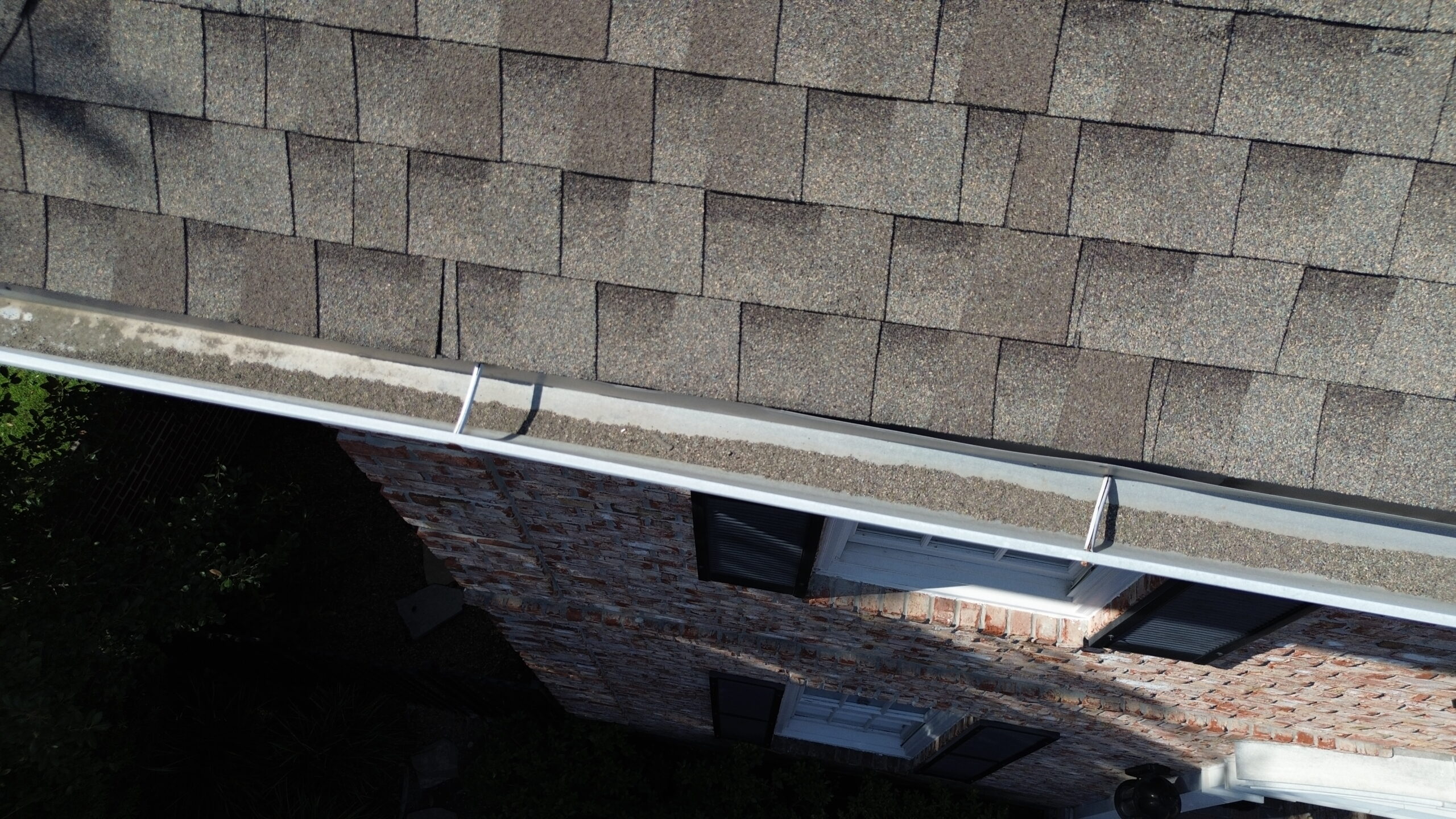
Gutters typically last 15-30 years, depending on material and maintenance. If your gutters are approaching or exceeding their expected lifespan, replacing gutters during roofing work makes financial sense. Aluminum gutters commonly show signs of wear after 20 years, while galvanized steel gutters may deteriorate faster due to rust formation. Visible deterioration indicators include rust spots, cracks, separated joints, sagging sections, or paint peeling extensively. These issues suggest that the gutters have reached the end of their functional life and would likely require replacement soon, regardless of roof work.
Sizing Incompatibility
Standard residential gutters are available in 5-inch and 6-inch widths, with larger sizes also available for homes with extensive roof areas or regions experiencing heavy rainfall. If your roof repair solutions involve significant changes to the roof area or pitch, your existing gutters may be undersized for the new water volume requirements.
Homes transitioning from smaller to larger roof areas, adding dormers, or changing from low-pitched to steeper roofs often require gutter upgrades to handle increased water flow. Undersized gutters can overflow, causing water damage to siding, foundations, and landscaping.
Damage from the Roofing Process
Roof replacement involves removing old materials, installing new underlayment and shingles, and significant activity along the roofline. This process frequently damages existing gutters through impact from falling debris, contractor foot traffic, or necessary removal for roof edge access.
Older gutters are particularly susceptible to damage during roofing projects. Vinyl gutters may crack under pressure, while aged aluminium gutters can dent or separate at joints, which can lead to gutter problems that create bigger roofing issues if not addressed. Even minor damage during roof installation may compromise performance.
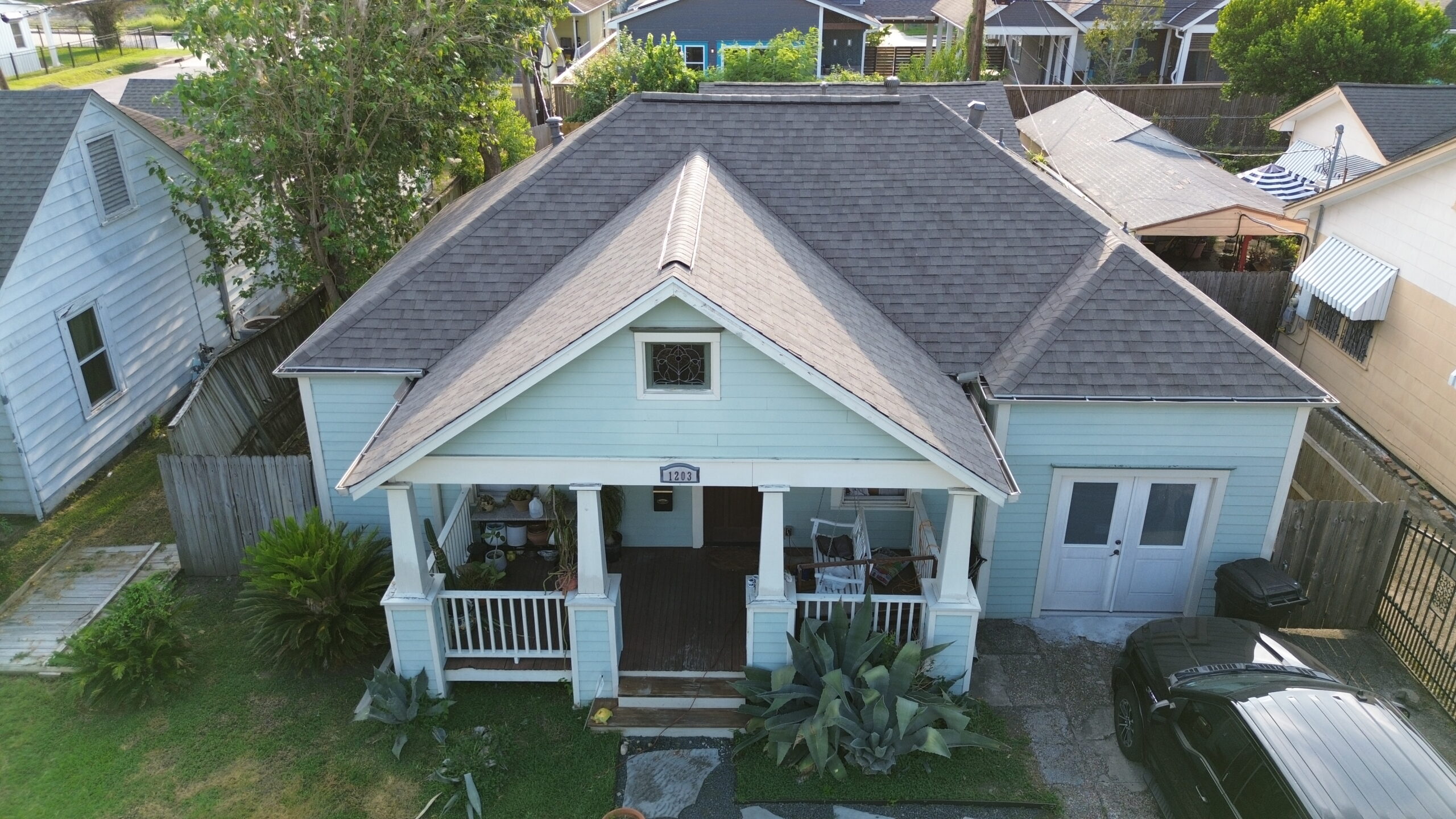
When You Can Keep Existing Gutters
Recent Installation and Good Condition
Gutters installed within the past 5-10 years and showing no signs of damage, rust, or functional issues typically don’t require replacement during roof work. High-quality gutters in excellent condition can often withstand the roofing process with minimal protection measures. If your gutters were professionally installed with quality materials and proper fastening, they’re more likely to survive a roof replacement intact.
Adequate Sizing and Compatibility
If minor roof repairs or like-for-like material replacements don’t significantly change water flow patterns or volume, existing gutters can continue functioning effectively. Properly sized gutters that have managed your roof’s water flow well are likely to perform with similar roofing materials, though a professional assessment is recommended to ensure full compatibility.
Budget Constraints and Phased Improvements
Sometimes, replacing gutters alongside a new roof may not fit the budget. If existing gutters are functional but not ideal, retaining them temporarily allows homeowners to spread home improvement costs over multiple years. This approach is practical when gutters have 3–5 years of remaining life and no immediate performance issues. However, homeowners should plan for future replacement, as separate installation typically costs more than coordinated work.
Replace Now or Later? Cost and Performance Comparison
Is it worth replacing your roof gutter right now or later? If you are in the middle of this thought process, follow our suggestions. The infographic below will give you a clear insight about gutter replacement decision.

Making the Right Decision for Your Home
Roof and gutter replacement decisions require careful evaluation. It is essential to have your roof and gutters professionally assessed by qualified contractors to determine their condition, compatibility, and remaining lifespan. Ask for detailed evaluations of your existing gutters, how they will integrate with the new roofing materials, and recommendations customized to your home’s unique features and local climate. This ensures that any updates are both necessary and effective, helping protect your home and maximize the longevity of your investment.
FAQs
Can you replace a roof without removing the gutters?
Yes, in many cases, a roof can be replaced without fully removing the gutters. However, contractors often need to loosen or temporarily detach them to access the fascia and install drip edge properly. If gutters are older or fragile, this process can increase the risk of damage, which is why professionals sometimes recommend replacement alongside the roof.
Will a new roof affect how my gutters perform?
It can. A new roof may slightly change how water flows, especially if there are updates to materials, underlayment, or edge details. Even small changes can impact drainage patterns, so it’s important to ensure your gutters are properly aligned and still capable of handling runoff efficiently.
How do contractors protect gutters during roof replacement?
Most professional contractors take steps like covering gutters, using debris catch systems, and carefully managing material removal to minimize damage. Still, some level of impact is unavoidable, especially with older systems.
Is it more expensive to replace gutters after the roof is done?
Yes, in most cases. Replacing gutters separately often involves additional labor and setup costs. When done together, the process is more efficient, which can help reduce overall project expenses.
Do new roofing materials require different gutter systems?
Not always, but in some cases, yes. Heavier materials or design changes like steeper slopes or added features can increase water runoff, which may require larger or better-positioned gutters to handle the load effectively.