A roof replacement is an important investment, and it naturally brings a short period of increased activity around your home. With materials being delivered, tools in use, and skilled professionals working overhead, your property will experience more movement and sound than usual during the process. This is all part of ensuring your new roof is installed safely and correctly.
Thoughtful roof replacement preparation helps everything go smoothly. Simple steps can protect your landscaping, vehicles, and interior spaces while allowing the roofing team to work efficiently and safely. When homeowners and contractors are aligned, the project often stays on schedule and avoids unnecessary complications. This guide walks you through interior and exterior preparation, smart roof replacement planning, and practical tips to reduce stress before work begins.
Overview Of Preparing Your Home For Roof ReplacementPreparing your home for a roof replacement is essential to protecting your property and ensuring the project runs smoothly. Key exterior steps include moving vehicles to clear the driveway for dumpsters, cutting the grass to aid in cleanup, and shielding landscaping and outdoor furniture from falling debris. Inside, homeowners should remove wall hangings to prevent damage from vibrations and cover attic belongings to protect against dust. Managing the disruption involves planning for significant noise, keeping children and pets away from the work zone, and communicating effectively with neighbors and the roofing contractor to address safety concerns. |
Home Owners’ Guide to Prepare Before Roof Replacement
Securing the Exterior
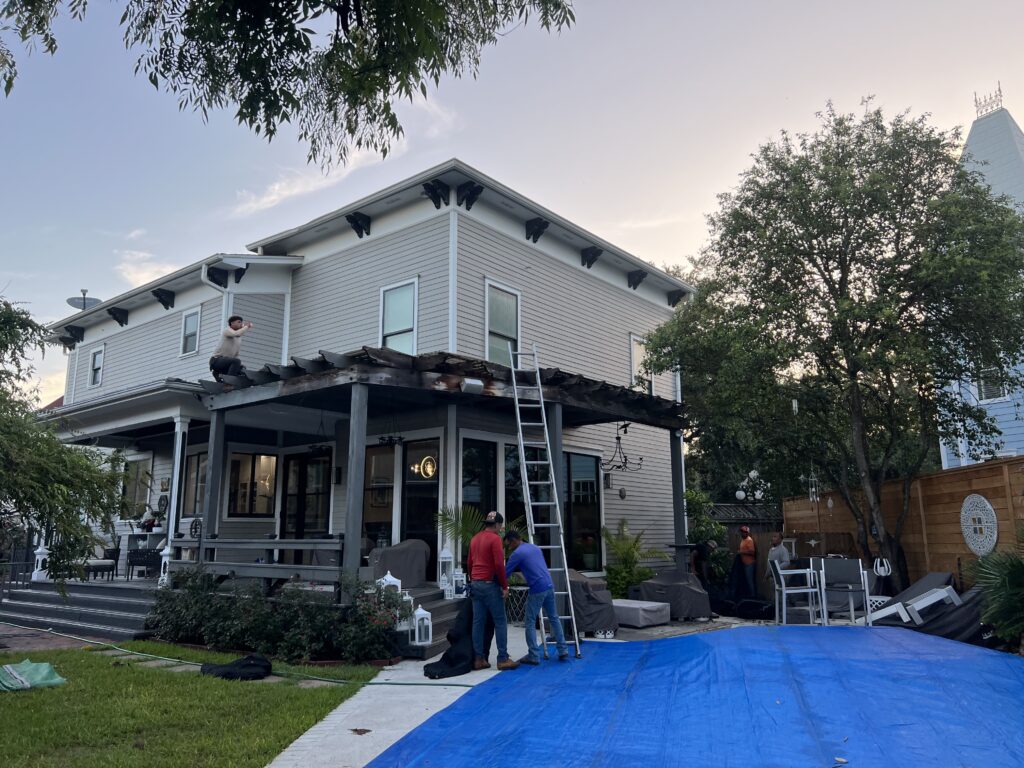
- Clear the Driveway: Your roofing contractor will need substantial space for a dumpster and a staging area for materials like bundles of shingles and underlayment. Move your vehicles to the street or a neighbor’s house the night before work begins. This prevents your car from being trapped in the garage and protects it from falling debris or accidental scratches.
- Protect Landscaping and Outdoor Furniture: Move patio furniture, grills, potted plants, and children’s toys away from the house. Ideally, place them in a shed or a garage. For permanent fixtures like bushes or flower beds, ask your contractor to cover them with tarps or plywood lean-tos to shield them from falling heavy objects. While you are assessing the perimeter, you might also consider the state of your drainage system. Many homeowners ask, do gutters need replacing during a roof replacement? It is often efficient to address both systems simultaneously if the gutters are showing signs of age or damage.
- Mark Sprinkler Heads and Ponds: Roofing trucks and heavy equipment may need to traverse parts of your lawn. Clearly mark underground sprinkler heads, septic tanks, or delicate garden features with flags so the crew knows where not to drive or drop heavy loads.
- Cut the Grass: This is a pro tip that many overlook. Cutting your grass short the day before the project begins makes it much easier for the crew to use magnetic sweepers to find and remove stray nails during the final cleanup.
Preparing the Interior and Attic
- Secure Wall Hangings: The hammering can cause pictures, mirrors, and shelving to shift or fall. Walk through every room on the top floor and remove loose items from the walls. If you have a china cabinet or shelves with fragile knick-knacks, consider taking them down or securing them with bubble wrap.
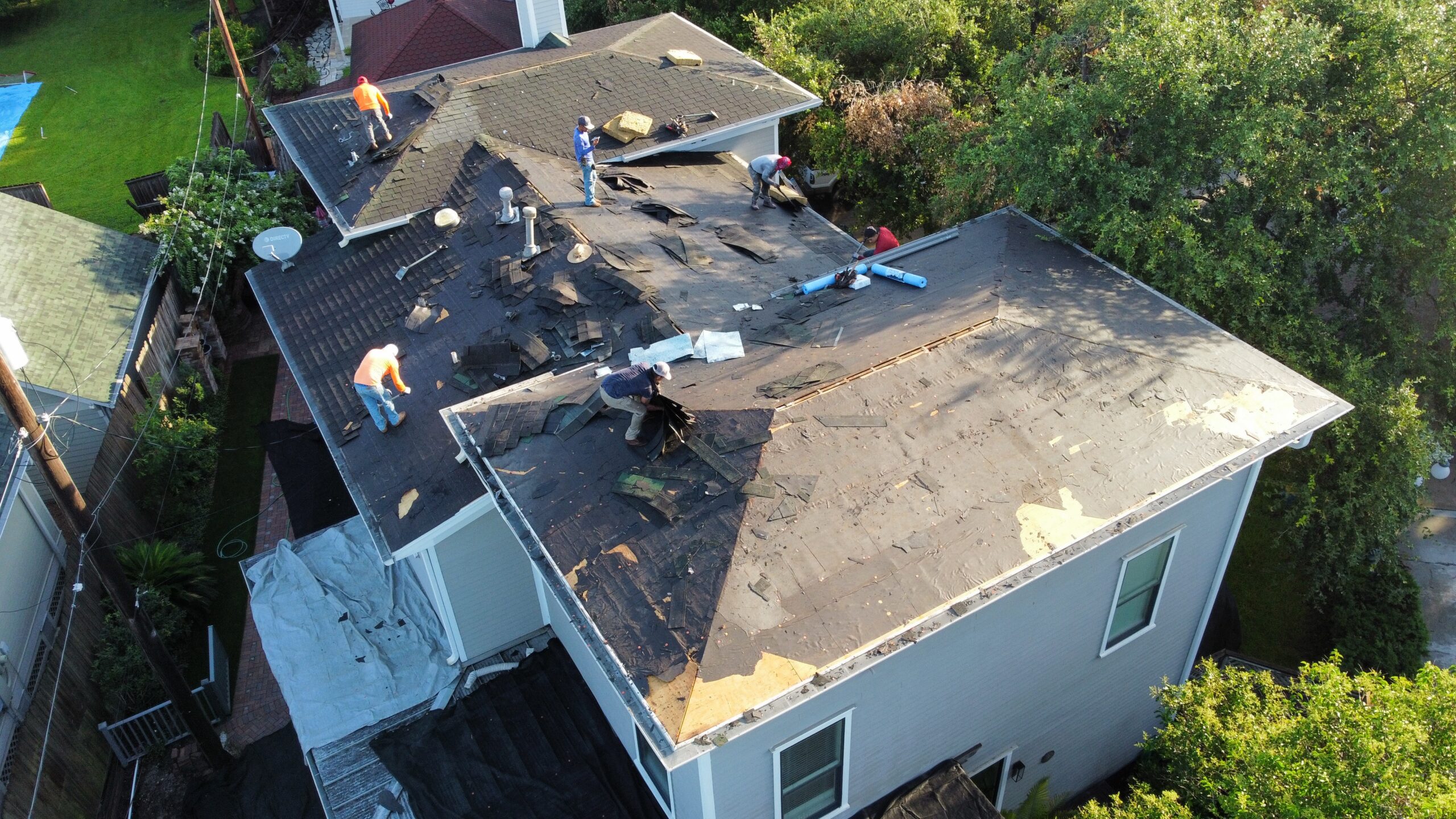
- Protect the Attic: During the tear-off phase, debris, dust, and granules will inevitably fall through the small gaps in the roof decking into your attic. If you use your attic for storage, cover your belongings with drop cloths or old sheets. This simple step saves you from a massive cleaning job later.
- Check the Garage: If your garage is not insulated or lacks a ceiling, cover tools, bikes, and cars with tarps. The vibrations can shake dust loose from the rafters, coating everything below in a layer of grit.
How to Manage Things During Roof Replacement?
Managing Noise and Disruption
Roof replacement involves skilled professionals working to ensure your home is protected and upgraded. Naturally, some noise from tools and materials is part of the process. If you work from home, consider planning alternative workspaces such as a coffee shop, library, or a friend’s house during active work hours. If you are scheduling this project during warmer months, be aware of common roof problems in summer such as heat exhaustion risks for the crew, which might alter their start and stop times. For households with infants or toddlers, arranging daytime care with relatives can help maintain their nap routine while the crew safely completes the project.
Pet Safety
The activity around a roof replacement can be unsettling for pets due to new sounds and movement. To keep them calm and safe, you may consider temporary boarding or asking a friend or family member to care for them during the day. If pets stay home, place them in a quiet area away from the work zone, and supervise outdoor breaks to prevent them from coming into contact with tools or materials. These simple steps help pets feel secure while the roofing professionals focus on completing your project safely and efficiently.
Safety Zones
Be mindful of where you walk. Debris can bounce, and nails can hide in the grass even while work is ongoing. Always wear shoes with thick soles when walking outside. Ask the job foreman where the designated safe entry and exit points are for your family so you can leave the house without walking under active work areas.
Daily Inspections
While it is important to stay clear of active work areas, taking a brief walk around your property each evening after the crew leaves is a smart habit. Look for immediate concerns such as blocked driveways, exposed landscaping, or stray materials, and report them promptly to the project manager. Addressing small items early helps prevent larger frustrations later. After the job is finished, following an annual roof maintenance checklist will help protect your investment and keep your new roof performing at its best for years to come.
To wrap up
Now that you know how to prepare your house for roof replacement, it is also important to remember that a professional roofing contractor is your partner in this process. Do not hesitate to ask them specific questions about their cleanup procedures or protection protocols. With a little foresight, you can endure the temporary inconvenience and enjoy the security and beauty of your new roof for decades to come. A replacement is not just a repair; it is an upgrade. Understanding how reliable roofing can raise your home’s value can help you view the disruption as a worthwhile investment.
FAQs
Do I need to be home while my roof is being replaced?
You are not required to stay home, but many homeowners choose to be available in case the contractor has questions. If you leave, make sure the crew has a way to contact you.
Will my power or utilities be affected during roof replacement?
Typically, roofing work does not interrupt utilities. However, satellite dishes or solar connections on the roof may need temporary adjustments.
Can a new roof be installed over old shingles?
Sometimes local codes allow it, but most contractors recommend a full tear-off. Removing old materials lets them inspect the decking and ensures a longer-lasting installation.
What should I do with items stored near the walls or ceilings?
It is smart to move delicate or valuable items slightly away from walls. Vibrations from work on the roof can travel through the structure.
How are nails and debris cleaned up afterward?
Crews use magnetic rollers, detailed sweeps, and visual inspections. Even so, staying cautious for a few days after completion is wise.
Will the roofing crew need access to my attic?
Not always, but access can be helpful if the contractor wants to check ventilation, insulation, or decking from below.