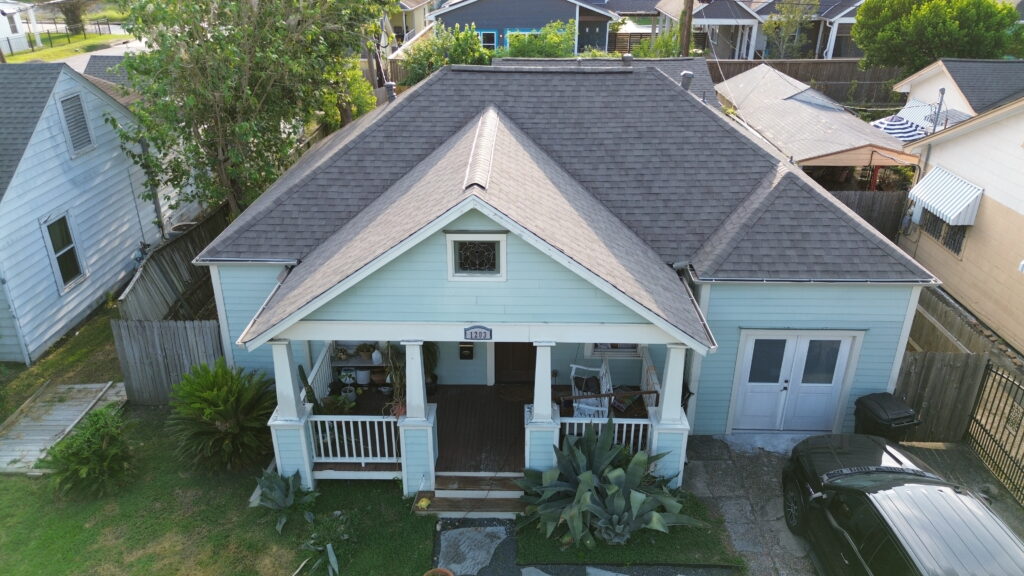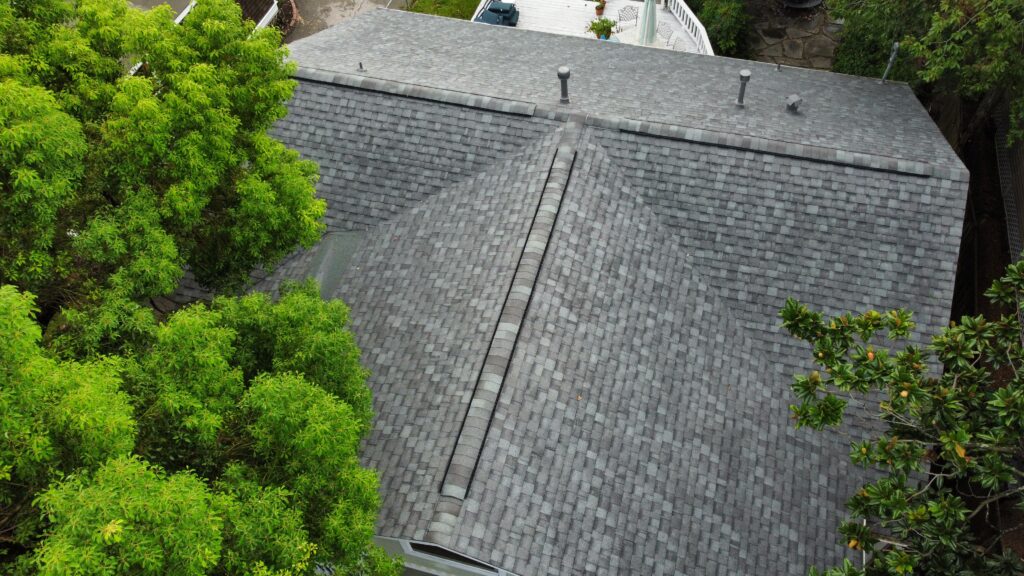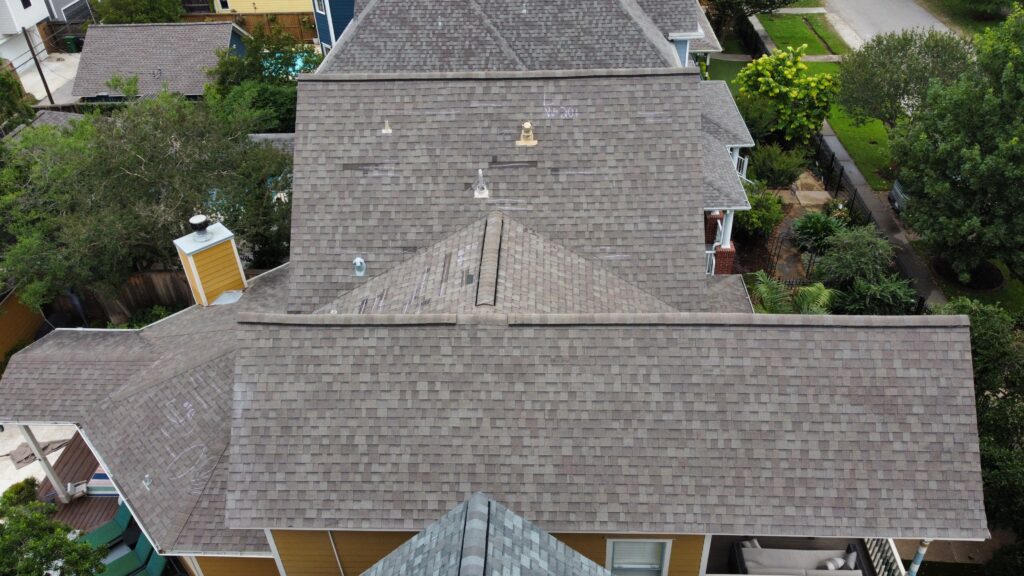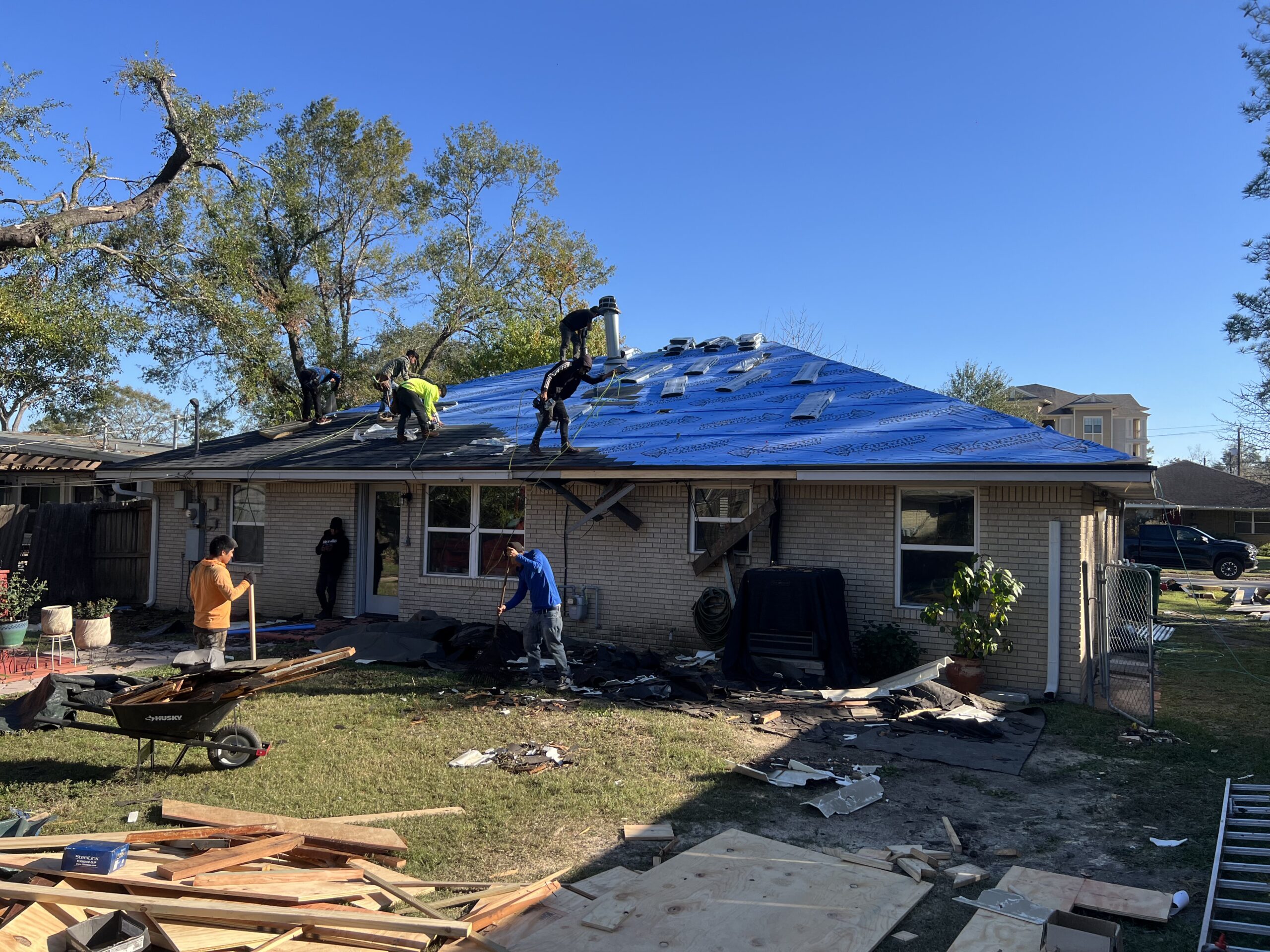
When a hailstorm hits, your roof becomes your home’s first line of defense, and often, its biggest victim. While some damage is immediately visible, hail can also create hidden cracks, bruises, or granule loss that gradually weaken your roof. According to the Insurance Institute for Business & Home Safety (IBHS), hail poses a major risk to homes across the United States and shows that minor impacts can affect roofing performance. That’s why homeowners need to understand the repair process, from recognising early signs of damage to navigating insurance claims and choosing a qualified roofing contractor. This guide explains everything you need to know about repairing a hail-damaged roof so you can make informed decisions and protect your home before minor damage becomes a costly repair.
Hail Damage Roof Repair OverviewHail damage can weaken a roof through cracked shingles, granule loss, dents, and hidden structural issues that worsen over time. Early identification, thorough documentation, prompt insurance reporting, and professional inspections are essential for effective repairs. Homeowners should recognise both exterior and interior warning signs, avoid post-storm scams, and work with qualified roofing contractors to restore their roofs, protect their property, and prevent minor storm damage from becoming expensive long-term repairs. |
How Does Hail Damage Your Roof?
Hail damages your roof by striking it with high-speed ice pellets, which vary in size from peas to golf balls or even larger. The severity depends on the hail size, wind speed, and roofing material. While every roofing system responds differently, asphalt shingle roofs, one of the most common residential roofing types, often experience granule loss, bruising, or cracked shingles after a severe hailstorm. Meanwhile, metal roofs can dent, and wood shingles may crack or split. This can lead to water infiltration, rotting, mold, and structural decay. According to the Insurance Institute for Business & Home Safety (IBHS), hail can occur in any strong thunderstorm. When it hits, it can shred roof coverings and lead to water damage to ceilings, walls, floors, appliances, furnishings, and contents. Hail can also damage flashing, gutters, and vents, increasing the risk of future issues. That’s why a professional inspection after a storm is crucial, even if your roof “looks fine” from the ground.
Signs of Hail Damage Homeowners Should Watch For
Visible Signs on the Roof
- Missing or cracked shingles: Hail can loosen, crack, or completely dislodge shingles, especially asphalt and composite types.
- Bruised or soft spots on shingles: Feel for spongy areas; they indicate that the hail has damaged the shingle’s mat underneath.
- Excessive granule loss: Look for bald spots on shingles or granules collecting in gutters, downspouts, or at the base of the downpipes.
Damage to Other Roofing Components
- Dented metal flashing, vents, or chimney caps: Hail often leaves obvious dents in thin metal surfaces, clear indicators of storm impact.
- Cracked or broken tiles/slates: On tile or slate roofs, inspect for visible cracks, chips, or missing pieces.
- Damaged roof ridge or hip lines: These areas are more exposed and vulnerable to impact damage.
Damage to Other Areas of the Home Exterior
- Dented gutters and downspouts: Hail frequently hits horizontal and vertical metal fixtures, leaving noticeable dimples.
- Chipped or cracked paint on fascia and siding: Look for spots where paint has chipped off, or wood is exposed.
- Broken or cracked windows and torn screens: High-speed hail can crack window glass or shred mesh screens installed on the roof.
Noticed any of these warning signs? Schedule a professional roof inspection to identify hidden hail damage and receive reliable repair recommendations before problems worsen. |
Yard and Surrounding Property Clues
- Shredded or stripped leaves on trees and plants: Vegetation damage is an indirect sign that hail was forceful enough to affect your roof.
- Hail accumulation around the home: Piles of hailstones near the foundation may suggest significant roof impact areas.
Interior Warning Signs
- Water stains or leaks in ceilings or attic: This could mean hail punctured the roof and allowed moisture to enter the home, which calls for emergency hail repair roofing.
- Mold or mildew odors in the attic: A sign of hidden water infiltration post-storm.
- Increased indoor humidity: Moisture intrusion through the roof can affect interior air quality.
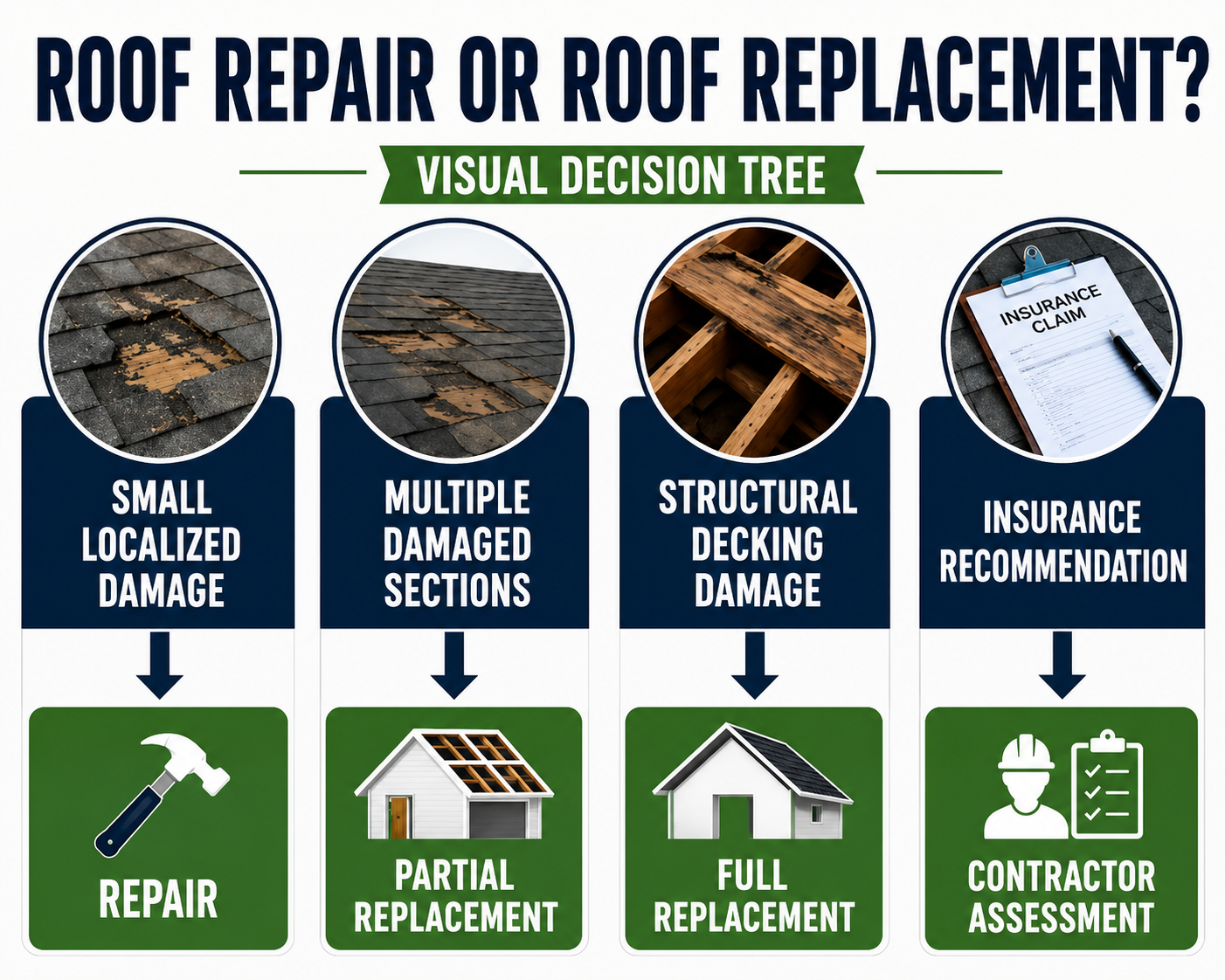
Roof Repair or Roof Replacement?
Determining whether your roof requires a repair or a complete replacement depends on the type, extent, and location of the damage. Minor issues, such as isolated leaks or a few damaged shingles, can often be repaired cost-effectively, while widespread deterioration, structural decking damage, or insurance-related concerns may require more extensive solutions. The visual decision guide below provides a straightforward way to understand common roofing scenarios and the most appropriate course of action before scheduling a professional roof inspection.
Immediate Steps to Take After a Hailstorm
Ensure Safety First
Before inspecting any roofing hail damage, make sure the storm has fully passed, and it’s safe to go outside.
- Avoid climbing onto the roof yourself; there may be loose materials, slick surfaces, or structural weaknesses.
- Watch for downed power lines, broken glass, or sharp debris around your property.
Conduct a Ground-Level Inspection
Do a visual sweep around your home to identify obvious signs of hail damage.
- Look for dents on gutters, downspouts, siding, mailboxes, or AC units.
- Check your deck, fencing, or cars for dents or chipped paint; these are indirect indicators that your roof may also be damaged.
- If safe, inspect your attic for leaks or water stains, which may indicate roof penetration.
Document the Damage Thoroughly
Take clear, date-stamped photos and videos of all visible roofing hail damage.
- Capture wide shots for context and close-ups of dents, cracks, or missing materials.
- Don’t forget to photograph hailstones (next to a ruler or coin for size reference) if any are still present.
- This documentation will be crucial for your insurance claim and contractor estimates for hail damage roof repair.
However, homeowners are advised, as per the North Carolina Department of Insurance, to photograph all storm-related damage before making temporary repairs and to keep detailed records of repair estimates, receipts, and communications with their insurance company to help support the claims process.
Contact Your Insurance Company Promptly
Notify your homeowner’s insurance provider as soon as possible, even if you’re unsure about the extent of the damage.
- Most policies cover hail repair roofing, but filing promptly can speed up your claim and avoid delays.
- Your insurer may send out an adjuster or recommend approved contractors for inspection.
Schedule a Professional Roof Inspection
Next, hire a licensed, insured roofing contractor for a detailed inspection and hail damage roof repair.
- They can identify hidden or non-obvious hail damage, such as bruised shingles or underlayment tears.
- Reputable contractors often provide free post-storm inspections and written repair estimates.
- Avoid signing any hail repair roofing agreements before the inspection and insurance adjustment are completed.
Temporarily Cover or Protect Exposed Areas
If you discover active leaks or missing shingles, take temporary measures to prevent further damage.
- Use a tarp or plastic sheeting to cover exposed roof sections.
- Seal leaking attic areas or place buckets to catch dripping water.
- Keep receipts for any emergency repairs; your insurance may reimburse you.
Avoid Storm Chasers and Scams
Be cautious of unsolicited offers for roofing hail damage repair immediately after a storm.
- “Storm chasers” may offer quick, low-cost fixes but often disappear without completing the work or providing warranties.
- Verify all contractors through local references, reviews, licenses, and insurance.
Follow Up on Repairs and Warranty
Once the claim is approved and work begins, ensure that materials and labor meet the agreed standards.
- Request a warranty in writing for both materials and workmanship.
- Final payments should only be made after full completion and satisfaction with the job.
Post hail damage roof repair, the importance of regular roof inspections and maintenance cannot be overstated to ensure longevity and avoid costly future damage.
Conclusion
Hailstorms might only last a few minutes, but the damage they leave behind can linger for months or even years if you don’t act quickly. By knowing what to look for, taking the right steps after a storm, and working with trusted professionals, you can stay ahead of costly surprises. Need a trusted team to check your roof? TridentPro Construction specializes in storm damage inspections and hail repairs you can count on. We offer residential and commercial roofing in Houston, including free assessments, expert guidance, and quality workmanship backed by a warranty.
Don’t let hidden hail damage turn into costly repairs. Book TridentPro Construction’s professional roof inspection for an accurate assessment and personalized repair recommendations. |
Frequently Asked Questions About Hail-Damaged Roof Repair
How long do hail-damaged roof repairs usually take?
Most residential hail damage repairs take anywhere from one day to several days, depending on the extent of the damage, roof size, material availability, and weather conditions.
Can hail damage void my roof warranty?
It depends on the warranty terms, but storm damage is generally not considered a manufacturing defect.
Can hail damage affect attic insulation?
Yes, roof leaks caused by hail can saturate insulation and reduce its effectiveness.
How soon can roof repairs begin after insurance approval?
Most projects can begin once materials are available and weather conditions allow safe installation.
What is a Class 4 impact-resistant roof?
What is a Class 4 impact-resistant roof?
It is roofing tested to withstand higher-impact conditions under UL 2218 impact-resistance standards.