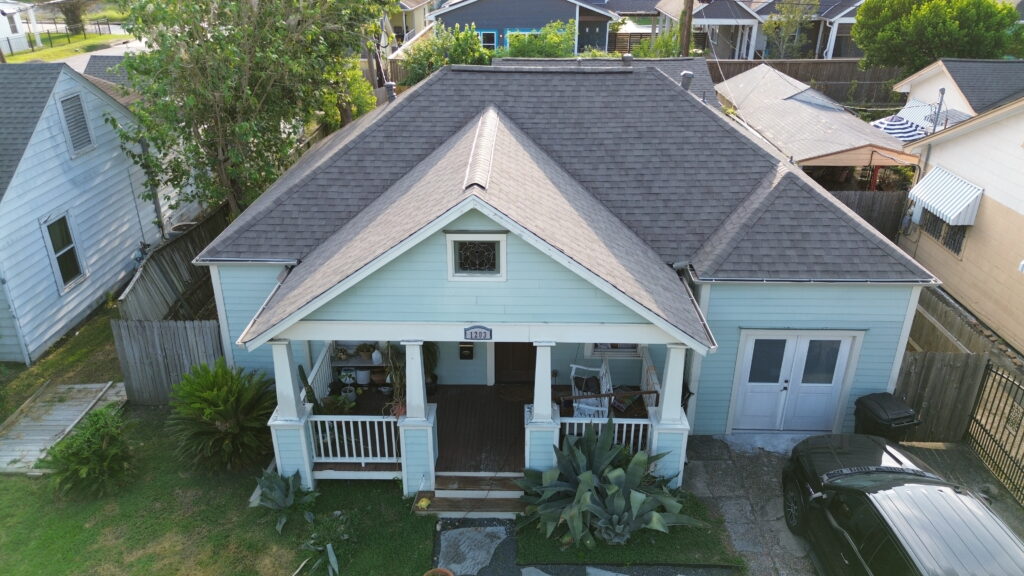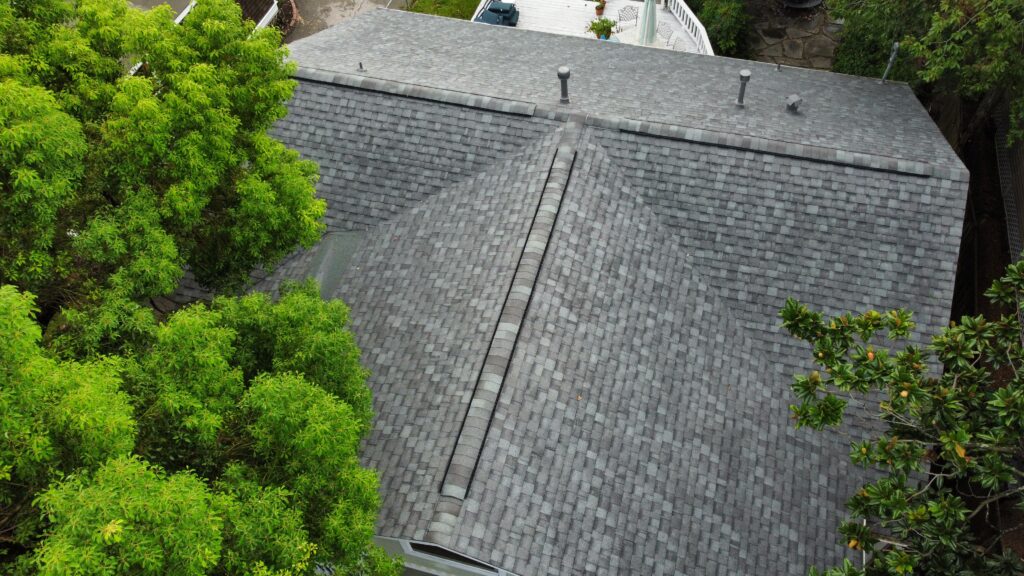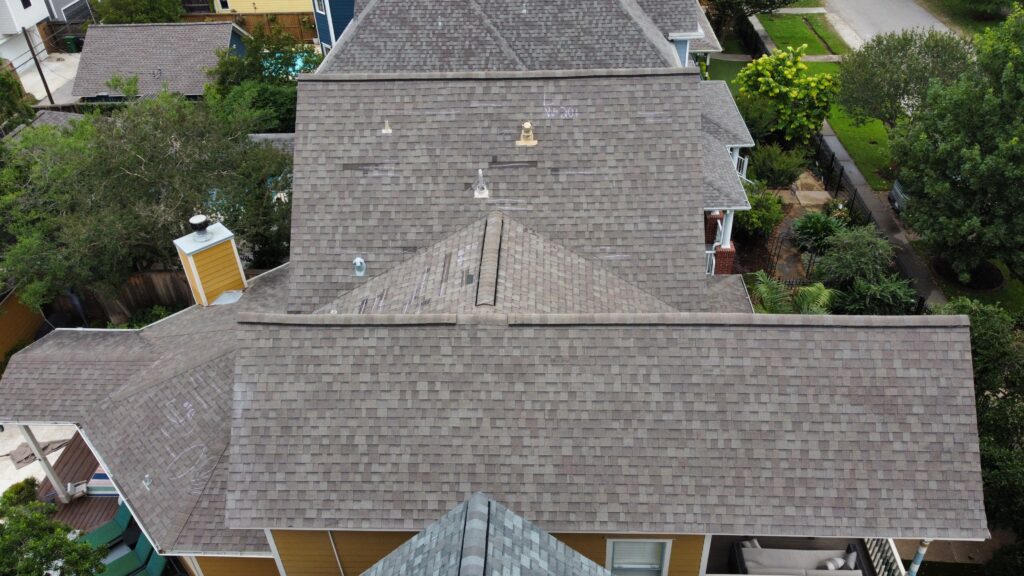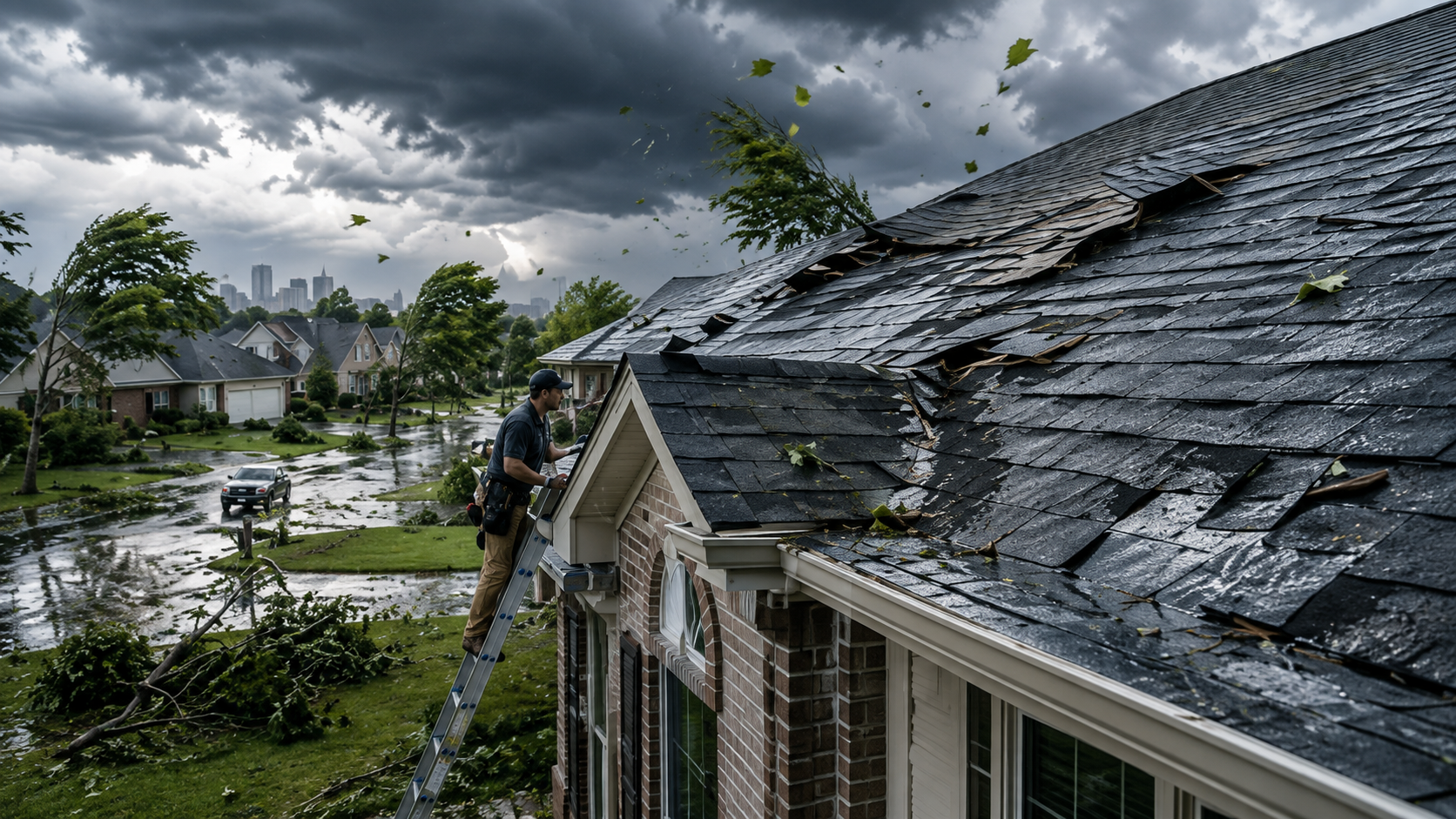
There’s no doubt that Houston has some of the wildest storm weather in the country. According to the 2026 Cotality Severe Convective Storm Risk Report, Houston ranks third in the U.S. for properties at risk of hail damage, with roughly 1.5 million of them exposed. The commercial properties share this exposure too.
Yet many don’t realize the storm’s roofing impact until months later when they notice cracked shingles or leaks. All of this leads to a full inspection and proper documentation, which could have been just a simple repair. Thus, to help you avoid it, we’ve put together this guide that explains exactly how Houston’s storms affect roofing systems and what you can do about it.
At a Glance: Houston Storm Roofing ImpactThe severe storms in Houston damage roofing systems through granule loss, shingle uplift, flashing failures, and moisture intrusion that often isn’t visible until months later. With many homes and countless commercial properties at risk each year, professional post-storm inspections and documentation are essential for timely repairs and accurate insurance claims. |
How Houston Storms Damage Roofing Systems
In Houston, storms are strong enough to compromise your roof in minutes. The National Weather Service Houston/Galveston office classifies wind gusts of 58 mph or higher as severe. It is a level that Gulf Coast storms often reach. Here’s how a storm’s various aspects affect your roof:
Wind Damage
- Shingles and Ridge Caps Blowing Off in Strong Wind: The strong gusts go underneath the shingle tabs and peel them off the deck entirely. Whereas ridge caps sit at the roof’s highest-pressure point and are usually the first to go, exposing the ridge vent beneath.
- Tearing or Creasing of Shingles: The shingles that stay attached can still crease or tear along the seal line, which weakens their ability to keep water out even though they haven’t blown away. This type of storm roof damage often goes unnoticed until leaks begin to appear.
- TPO/Modified Bitumen Seam Separation From Wind and Heat Cycling: Flat commercial roofs go through a lot of expanding and contracting because of heat, and when you add wind stress on that, the seams tend to fail faster, one of several roof problems in summer that stack on top of storm damage once the temperatures climb.
Hail Damage
- Hail Strikes and Shingle Bruising: When hail hits a shingle, it compresses the surface and leaves a soft spot behind, and you usually can’t see this kind of damage just by looking up from the ground.
- Granule Loss That Accelerates Shingle Aging: It also knocks the protective granules right off the shingle, which leaves the asphalt underneath exposed to the sun and moisture, and that ages your roof faster than it should. It is one of the clearest signs of hailstorm impact on asphalt shingle roofs.
- Skylights Cracking or Leaking After Hail: Hail impacts can crack skylight glazing or break the frame seal, creating a direct leak path into your interiors.
Debris Damage
- Debris Impact: Due to strong winds, branches and yard items often come onto your roof, causing dents or holes.
- Structural Stress From Heavy Debris: A fallen limb or a pile of heavy debris puts weight on your roof deck that it was never really built to hold.
Drainage System Failures
- Gutters and Fascia Getting Torn Off: The wind and debris can rip your gutters loose, and when they come off, they often pull the fascia and soffit behind them right along with them. This gets worse by existing clogged gutter problems.
- Standing Water Damaging Flat Commercial Roofs: If a commercial flat roof doesn’t drain properly, water just sits there after a storm, and that standing water puts enough pressure on the membrane to split it. It is one of the most common forms of storm roof damage on commercial properties.
Moisture Aftermath and Interior Effects
- Your Roof Deck Swelling or Rotting: Remember, when water gets trapped under a damaged roof, the plywood or OSB layer underneath can swell up or start coming apart in layers.
- Wet Insulation Makes Your Attic Worse Off: Once your insulation gets wet, it stops working the way it should, and it can trap moisture in your attic, making your ventilation issues even worse.
- Mold Growth: Not to forget, Houston is so humid that mold growth starts within just a few days if a leak goes unchecked.
Equipment and Accessories
- Electrical or Solar Components Loosened or Water-Compromised: Your rooftop electrical connections and solar mounts can come loose, or the water might go inside them, causing damage.
Thinking Your Roof May Be Damaged?Even if your roof looks fine from the ground, wind, hail, and flying debris can leave behind hidden damage that worsens over time. Our team provides detailed storm damage inspections, helping you identify problems early and avoid more expensive repairs later. |
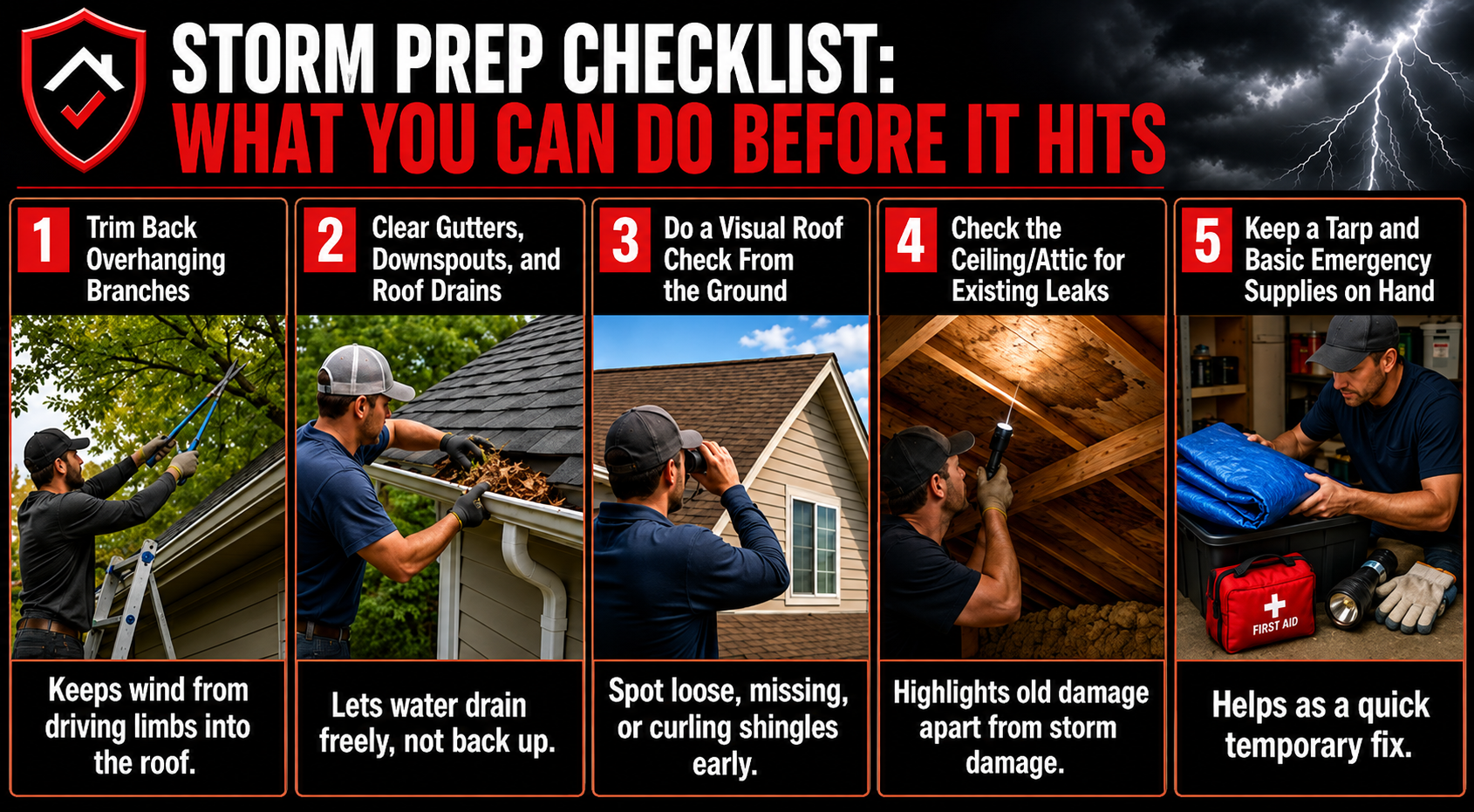
Ways to Protect Your Rooftop Before Storms
Before the professionals step in, there are a few simple things you can do yourself to prepare for the upcoming storm. These can reduce damage and make any post-storm inspection much easier:
What Professionals Do to Help After Severe Storms
Conducting Post-Storm Inspections of Roof
After a whole season of severe weather, professionals will examine the shingles, flashing, vents, and gutters for damage that isn’t visible from ground level. They might check for smaller issues, like loose nails or minor cracks, since these can turn into bigger leaks if they’re missed.
Documenting Damage for Insurance Claims
Next up, they will photograph and record the conditions of your whole roof in detail. This step gives property owners the documentation insurers require to process claims accurately for storm roof damage, so if your insurance company tries to say the damage isn’t as bad as it is, you already have proof to show them otherwise.
Covering Your Roof to Stop Further Damage
Right after a storm, professionals often put up temporary tarps or coverings over damaged areas to keep water out until permanent repairs can begin. This helps to protect insulation, drywall, and structural components from moisture exposure.
Rebuilding Roofs to Handle Future Storms
By using materials rated for wind uplift and hail impact resistance, roofing professionals will then rebuild storm-damaged systems. This includes upgraded fastening patterns and shingles or panels built to handle future conditions. These materials also help prevent cold weather roofing problems, since a roof already built to withstand storm stress tends to handle winter temperature swings with less strain.
Handling Large Commercial Roofs
If you own a commercial property, you should know that it often needs more attention due to flat or low-slope roofing systems. So, professionals will coordinate phased repairs, drainage corrections, and membrane restoration to minimize business disruption while addressing damage properly. Much of this comes down to Houston’s roofing climate impact, since heat, humidity, and storm frequency all put extra strain on large commercial roofing systems that residential roofs don’t face in the same way.
Conclusion
By now, it must be clear to you that storm season in Houston doesn’t wait, and neither should your roof’s protection. So, as soon as you decide to hire a professional, reach out to TridentPro Construction. We handle storm damage restoration for both residential and commercial properties across Houston, beginning with initial inspections to full roof replacements.
Protect Your Property Before The Next Storm Hits |
FAQs- About Severe Storms Impacting Roofing Systems in Houston
How many times should a roof be inspected, for both homes and businesses?
You should schedule roof inspections twice a year, in spring and fall. Plus an extra check after any major hail or wind event.
Is it safe to stay inside a home with visible storm roof damage?
It depends on the severity of your roof. If there is exposed decking or active leaks near electrical systems, then it means you need to get temporary relocation until repaired.
What time of year brings the most roof-damaging storms to Houston?
Houston has two peaks. The hail and severe thunderstorms hit hardest from March through May, while hurricane season runs heaviest around August through September.
Does storm roof damage always require a full roof replacement?
No. Many roofs only require targeted repairs when damage is localized and the underlying decking and structural components remain intact.
After a severe storm in Houston, how soon should I have my roof inspected?
Make sure to schedule an inspection within 24 to 72 hours after a severe storm. Early inspections help identify hidden damage, reduce the storm’s roofing impact, and prevent insurance claim complications.