For homeowners seeking to cut energy bills and reduce their carbon footprint, solar panels are becoming an increasingly popular choice. But before installing one, a common question comes to mind: does the installation affect the health of your roof?
Well, it might if the installation isn’t done properly. Since solar panels are mounted directly onto your roofing system, the way they’re installed plays a major role in preventing issues such as leaks, unnecessary wear, structural stress, and warranty complications.
After all, your roof isn’t simply a surface that holds solar panels in place; it’s a structural component that protects your home every single day, which is exactly why understanding how installation affects it matters so much. This blog walks you through what to expect and the steps that keep your roof protected throughout the process.
Solar Roof Safety OverviewInstalling solar panels is a long-term investment, and protecting your roof is essential to getting the most from it. A strong, well-maintained roof, proper installation practices, and thorough inspections before and after the project help prevent costly issues while supporting long-term performance. Evaluating your roof’s condition in advance and working with experienced professionals ensures your solar system is installed on a reliable foundation built to last. |
Why Roof Protection Is Crucial During Solar Panel Installation
Roofing safety during solar setup is essential from the very beginning, because the condition of your roof directly impacts the durability and efficiency of your solar system. Here’s why:
Your Roof Should Match the Lifespan of Your Solar Panels
Solar panels are designed to last 25 to 30 years, so the roof beneath them should be in equally good condition. Installing a solar system on an aging roof can create unnecessary expenses later, as the panels may need to be removed and reinstalled when the roof requires replacement. This is why it is important to have the roof assessed beforehand, as doing so helps ensure both systems can perform together for the long term.
The Roof Must Provide Strong Structural Support
Solar panels, mounting rails, and hardware add a permanent load to your roofing system. Although most modern roofs are built to handle this extra weight, older roofs or those with weakened decking may not offer the same level of support. Seasonal wear can weaken this support further. If you want to learn more, you can check out our blog on common roof problems in summer and how to prevent them to keep your roof health in check and, in turn, your solar setup running efficiently.
Proper Roof Penetrations Help Maintain a Watertight Roof
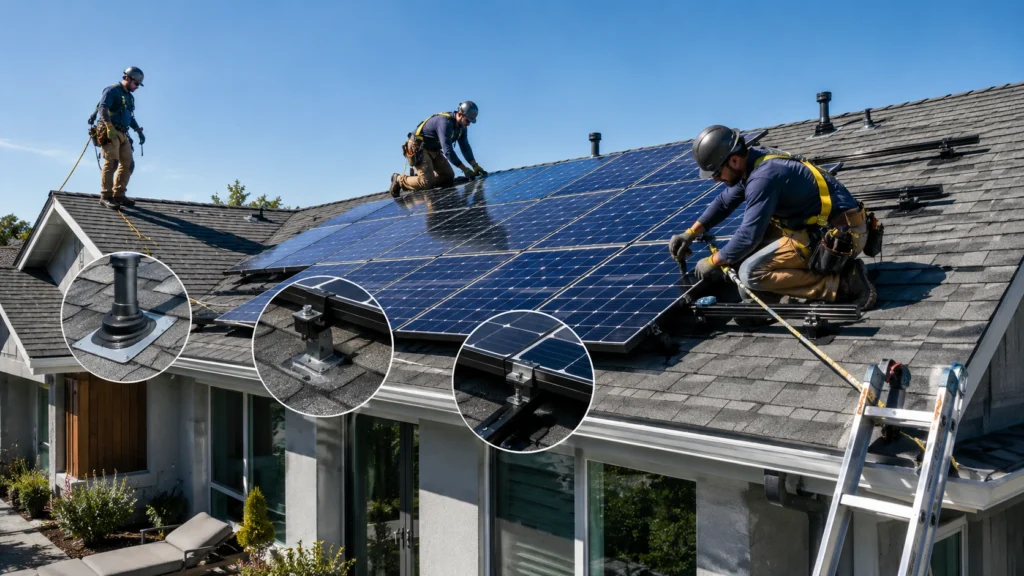
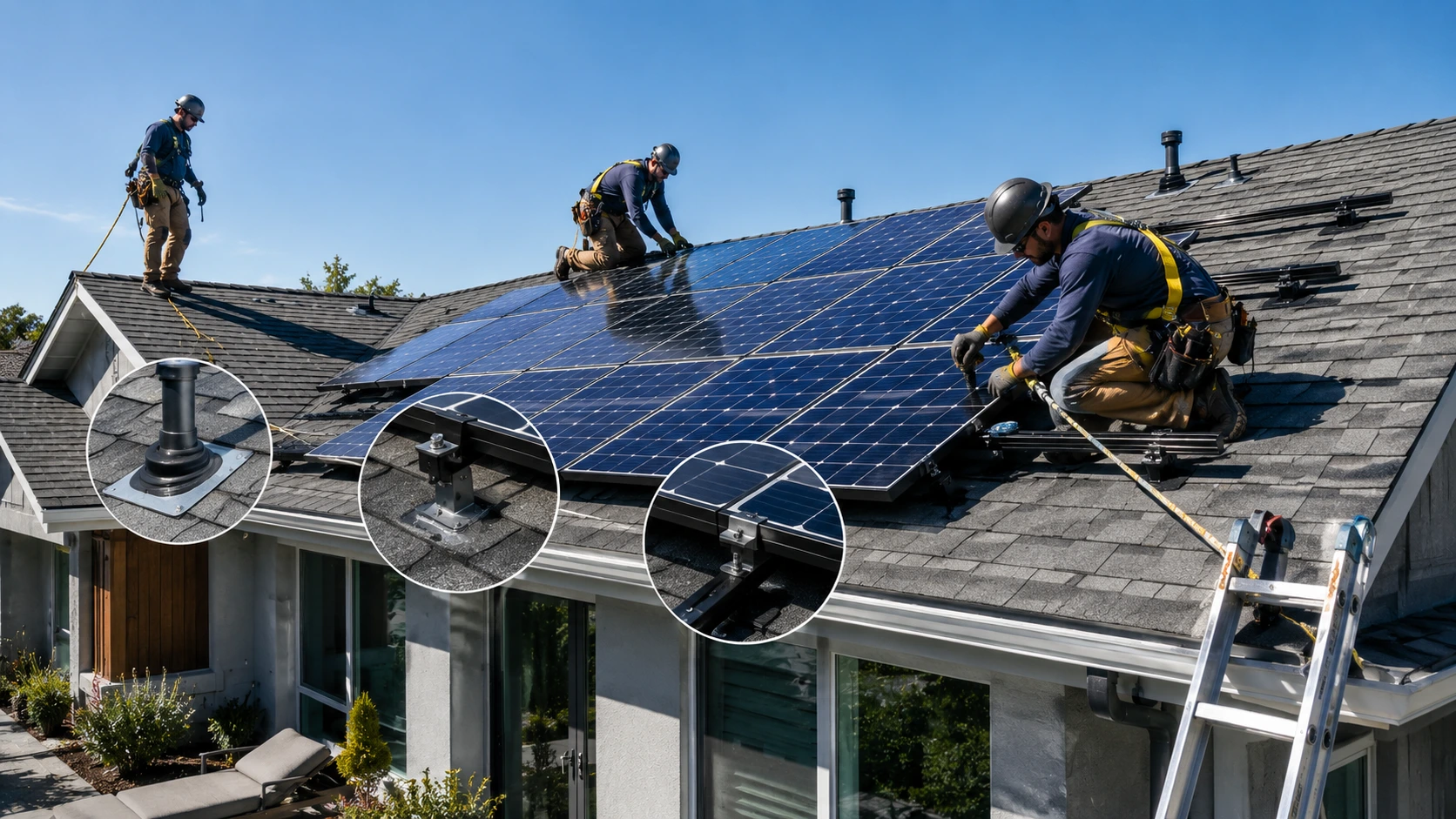
Installing solar panels involves securing mounting hardware to your roof. If this work isn’t done correctly, small openings can allow water to seep into the roof over time, increasing the risk of leaks and moisture damage. When the installation is carried out properly using the right materials, sealing techniques, and flashing compliant with building codes and PNNL weatherproofing guidelines, your roof remains well-protected and continues to keep your home safe from the elements while supporting your solar panels for years to come.
Improper Installation Can Void Roofing Warranties
Solar panels themselves rarely cancel a manufacturer’s roof warranty. What voids it is deviation from the manufacturer’s specifications, whether that’s unauthorized drilling, incompatible mounting hardware, or skipped flashing steps. Reputable installers coordinate with the roofing manufacturer’s guidelines directly, which keeps both the solar and roofing warranties intact.
Proper airflow also plays a bigger role in your roof’s long-term performance than most homeowners realize, which is why proper attic ventilation for your roof is one of the first things inspectors check before and after installation.
Is Your Roof Ready for Solar Panels?
Before investing in solar panels, it’s helpful to evaluate whether your roof is ready for installation. While a professional inspection provides the final assessment, checking for these visible signs can help you identify potential concerns early, especially since good home preparation during roof replacement sets the foundation for a smoother solar installation. If your roof meets most of these conditions, you’re likely in a stronger position to move forward with a solar project confidently while reducing the chances of unexpected delays or additional roofing work.
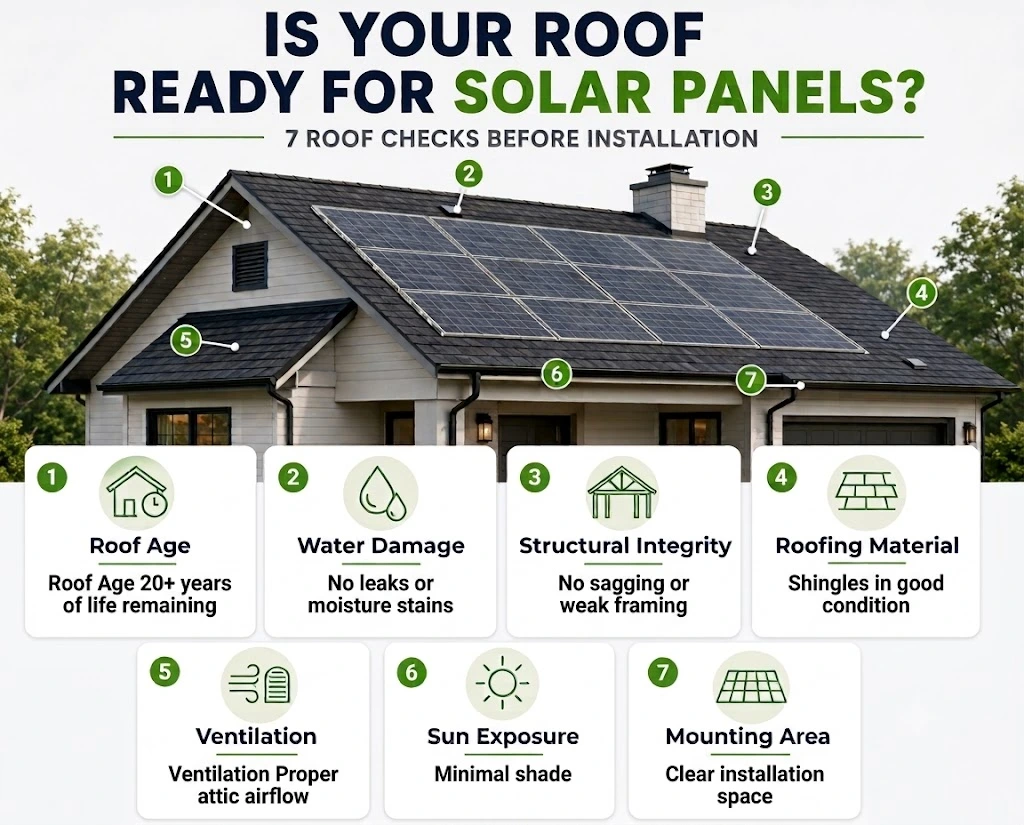
| Don’t leave your solar investment to chance. Our roofing experts can evaluate your roof’s condition, recommend any necessary repairs, and help you prepare for a successful solar panel installation. |
Roof Safety Tips During Solar Installation
Proper planning goes a long way in protecting your roof. These roof safety tips during solar installation can help you reduce unnecessary roofing issues and ensure the project is completed safely and efficiently.
Schedule a Professional Roof Inspection Before Installation
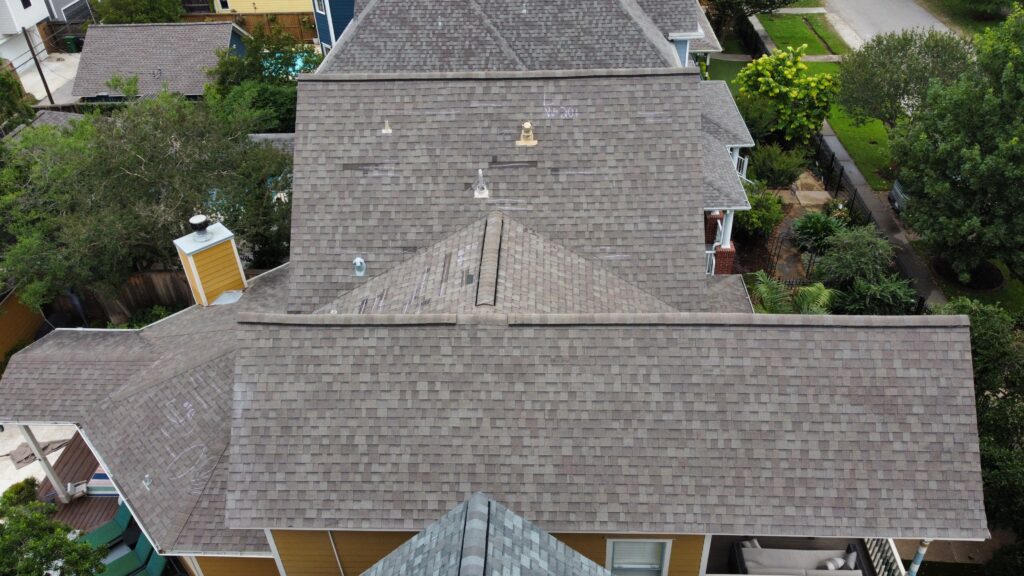
Before solar panels are installed, hire a qualified roofing contractor to inspect whether your roof has missing shingles, loose flashing, signs of water damage, or other existing issues. Addressing these problems before installation is typically simpler and more affordable than repairing them after the panels are in place. A pre-installation inspection also confirms that the roof is ready to support a long-term solar investment.
Work With Installers Who Follow Roofing Best Practices
Not every solar installer has the same level of roofing knowledge. Choose a company that follows manufacturer guidelines, uses installation methods designed for your roofing material, and takes steps to protect the roof throughout the project. Experienced installers also minimize unnecessary foot traffic and handle roofing materials carefully, reducing the chances of accidental damage during the installation process.
Plan the Installation During Favorable Weather
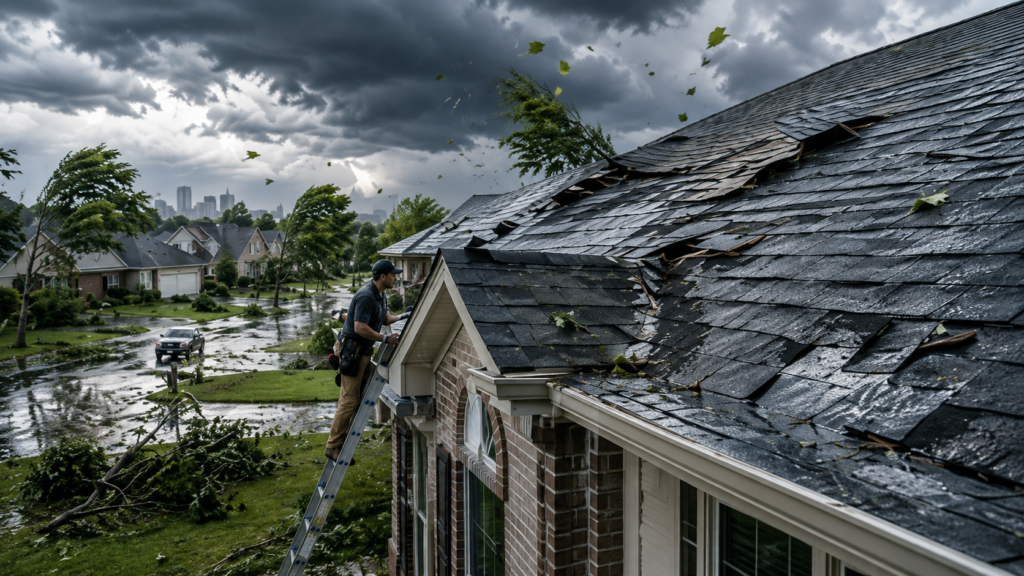
Weather can have a direct impact on both installation quality and roof safety. Rain, high winds, or extreme heat can make working on a roof more difficult and increase the risk of damage or delays. Extreme heat in particular raises the risk of installer fatigue and heat-related illness, which is why OSHA’s heat safety guidance recommends scheduling outdoor work during cooler parts of the day whenever possible. Whenever possible, schedule the project during a period of stable weather so the installation can be completed safely and without rushing important steps.
Inspect the Roof After the Solar Panels Are Installed
Once the installation is complete, take time to review the finished work with your installer. Ask whether any roofing materials were replaced during the project and confirm that the work area has been cleaned of debris, loose fasteners, or unused materials. Keeping a record of the installation and scheduling periodic roof inspections over the years can help identify small concerns early. It’s also important to Remove Algae from Roof surfaces whenever growth appears, as trapped moisture can gradually affect roofing materials and overall roof condition.
Conclusion
A solar investment is only as strong as the roof beneath it. Trident Pro Construction brings the inspections, repairs, and craftsmanship needed to make sure your roofing system carries that weight for decades, not just years. Because when the foundation is right, everything you build on top of it performs the way it should.
| Get Your Roof Solar-Ready with Trident Pro Construction. From inspections to repairs, we ensure your roof is prepared to support your solar investment safely. |
Frequently Asked Questions About Roof Safety During Solar Installation
Can my roof support the weight of solar panels?
Most residential roofs are engineered to handle 20 pounds per square foot or more, well above what a properly installed solar array typically adds.
What are the signs my roof needs repairs before solar installation?
Small leaks, curling shingles, sagging areas, or water stains inside your home can indicate roof damage. A professional roofing inspection identifies issues before solar installation begins.
How often should my roof be inspected after solar panels are installed?
Most roofing professionals recommend inspecting your roof every one to two years and after severe storms to identify potential issues before they become costly repairs.
Is periodic roof maintenance important after going solar?
Periodic roof maintenance helps identify damaged shingles, flashing issues, and drainage problems early, protecting both your roofing system and your long-term solar investment.