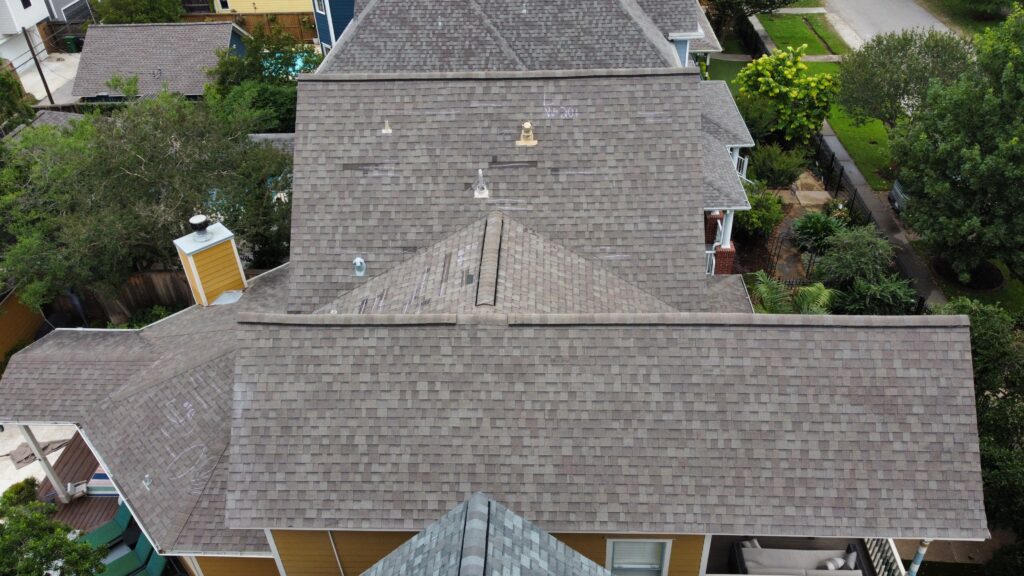
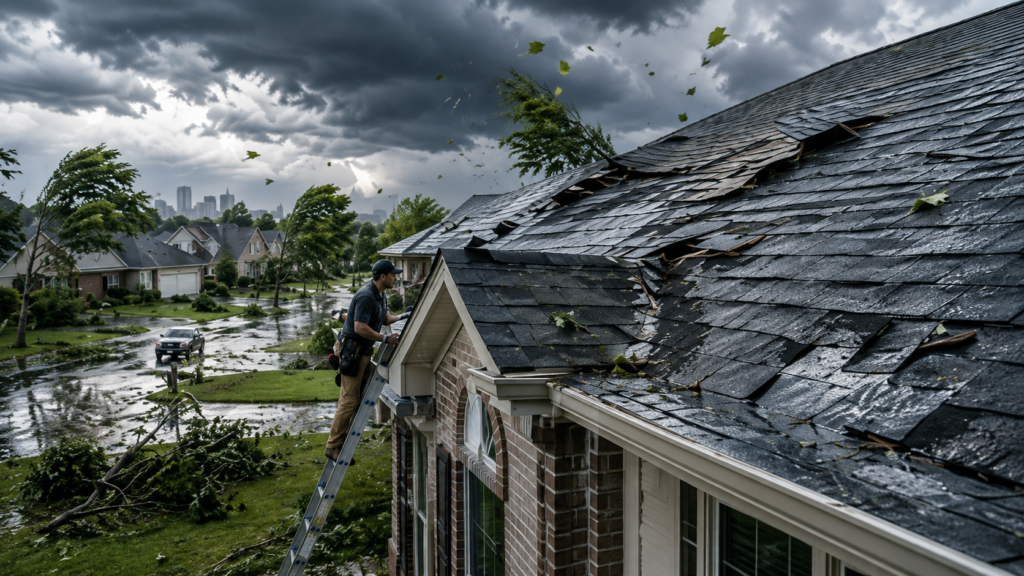
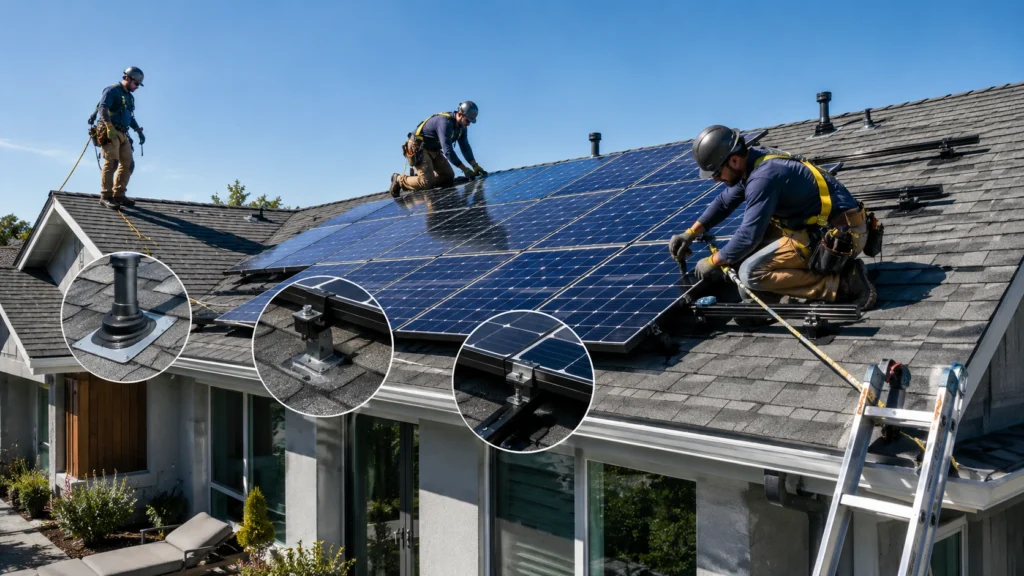
Houston’s residential and commercial roofing systems are constantly dealing with extreme weather conditions such as summer heat, hurricane-force winds, sudden thunderstorms, and frequent hailstorms. All of this puts way too much stress on roofing materials and often leads to premature wear and structural damage. In fact, according to the National Weather Service, on average, Houston experiences 50–60 days of thunderstorms each year, with severe storms occurring on about one‑third of those days. This makes it important for property owners to understand how local weather affects roofing materials and service requirements. Hence, this guide is designed to help Houstonians understand the whole roofing landscape and make the right decisions to protect their properties!
Key Takeaways
|
Roofing For Residential Infrastructure
Roof Installation and Replacement
Houston homeowners typically choose asphalt shingles, metal, tile, or slate based on durability and wind/impact resistance. For better storm performance, people generally recommend Class 4 shingles. Local roofing permits are required for full roof replacements, significant decking work, or structural changes, keeping in mind that designs meet building codes.
Residential Roof Repair
The common residential roof damages include missing or lifted shingles due to strong winds, hail bruising or granule loss from storms, and water intrusion causing leaks after heavy rainfall. Thus, timely identification of leaks, visible stains, damp attic insulation, or sagging ceilings helps prevent structural damage. With the help of professional roof repair services, you can address these issues with proper flashing replacement, shingle patching, and water barrier restoration before minor problems escalate.
Roof Maintenance Plans
Undergoing regular maintenance is very important in Houston’s climate. Seasonal checklists should include pre‑summer heat inspections (checking UV damage and ventilation), fall storm preparation (tightening loose components), winter moisture checks (even mild winters can expose vulnerabilities), and spring inspections after rains. And after that, preventive maintenance may also reveal that gutters need replacing during a roof replacement, while seal-checking around roof penetrations and ensuring adequate attic ventilation help extend roof life and prevent moisture-related issues before they worsen.
Roofing For Commercial Buildings
Installation of Commercial Roofs
There are big differences between commercial and residential roofing systems. Commercial building systems prioritize heat reflectivity, energy efficiency, waterproofing, and structural durability, and are chosen for larger surface areas.
Repair Services For Commercial Roof
Houston’s harsh weather can cause a range of commercial roofing problems, including membrane punctures, seam failures, ponding water damage, and flashing breakdowns, making it essential to rely on trained roofing professionals who can identify these common issues. Getting these effective repair services done focuses on waterproofing integrity, trackable leak detection, addressing wind-uplift vulnerabilities, and reinforcing flashing, which is particularly crucial during hurricane‑prone seasons.
Maintenance Services For Commercial Roof
Routine commercial roof maintenance extends its service life and avoids costly downtime. Facility managers schedule maintenance based on season and usage patterns, often using advanced tools like drone imaging and infrared scanning to detect unseen moisture or membrane defects before they escalate. These technologies maximize commercial roof performance and detect issues early, reducing long‑term lifecycle costs.
Technologies & Services Involved in Roof Inspection
Storm and Hail Damage Inspections
Houston roofs must be quickly evaluated after severe weather events. Professional inspectors look for hail impact marks, granule loss, and uplifted edges that can compromise your roofing materials. Specialized tools, such as ultrasonic thickness gauges to measure hail impact on shingles and impact detection sensors to record storm strikes, help assess the severity of damage precisely. Homeowners should know that before hail-damaged roof repairing, thorough documentation during these inspections strengthens the insurance claims and targets specific repair needs.
Drone Roof Inspections
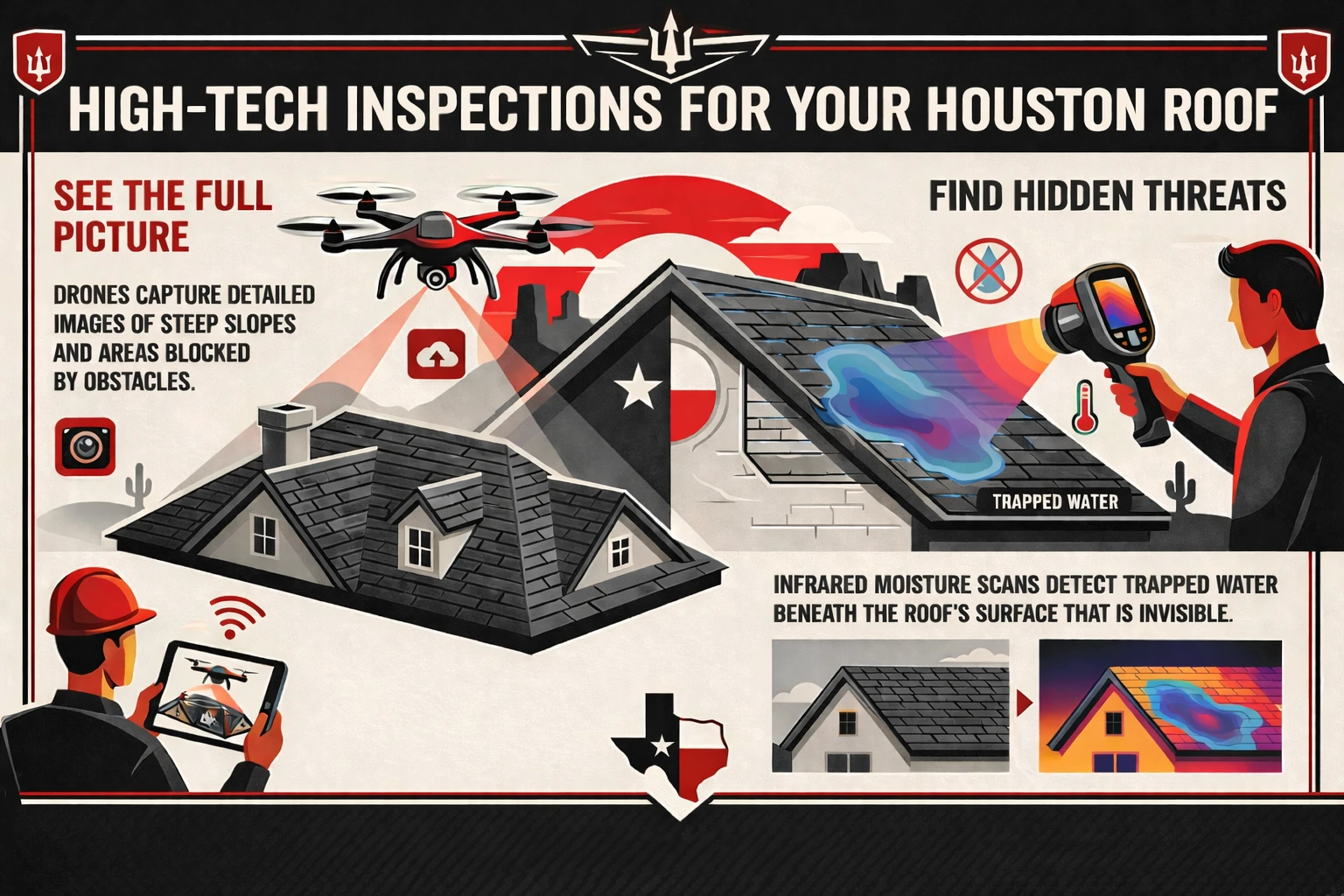
With the help of drone technology, you can get a high‑resolution, aerial assessment of roofs without risking personnel safety. Drones capture imagery of areas difficult to access, especially useful after storms, and help roofing professionals identify hidden damage and plan targeted remediation. Drone Roof Inspection technology allows for faster, more accurate inspections, reducing the time and cost compared to traditional methods. Also, the detailed visual data support precise repair planning, ensuring no damage is missed.
Infrared Moisture Scans
Another technology used is infrared moisture scanning, which can detect trapped water beneath roofing membranes or deck layers that are invisible to the naked eye. By revealing temperature differentials caused by moisture, inspectors can pinpoint problem zones early, preventing rot, structural weakening, and mold growth. This technology not only protects your roof but also gives homeowners and building managers peace of mind, knowing that all issues are caught and addressed before they escalate.
Insurance Claim Support
With the help of the above technologies, you get detailed inspection reports that validate your roof repair claims by providing documented pre‑ and post‑storm conditions, material failure analysis, and damage sequencing. Professional roofing firms assist with interpreting policy language and presenting evidence to improve claim outcomes, reducing your stress after major weather events.
Storm Damage and Emergency Services
Emergency Roof Tarping
After severe storms, immediate roof tarping protects exposed interiors from further water intrusion. This kind of emergency tarping services quickly secures damaged areas with waterproof coverings, stabilizing the structure and preventing secondary damage while permanent repairs are planned.
- Example: After high winds tear shingles from a section of the roof, a tarp is installed the same day to keep rain from soaking insulation, drywall, and personal belongings inside your home.
Leak and Water Intrusion Response
Unanticipated leaks resulting from storm damage require an immediate response to reduce interior damage. Quick‑response teams locate breach points, repair damaged flashing, and install waterproofing solutions to stop leaks, minimizing attic, wall, and ceiling damage.
- Example: Following a heavy storm, water stains appear on your living room ceiling; technicians trace the issue to cracked flashing around a vent pipe and seal it before moisture spreads any further.
Post Storm Assessment System
A structured post‑storm assessment evaluates overall roof condition, prioritizes what needs to be repaired first, and helps property owners understand the severity and urgency of issues.
- Example: After a hailstorm, an inspection reveals minor shingle bruising and one weakened ridge area, allowing homeowners to address small repairs early instead of facing larger problems later.
Gutters, Ventilation, and Attic Systems
Gutter Installation and Repair
A lot of gutter problems that create bigger roofing issues often start small but can lead to major roof damage if ignored. And that’s why properly functioning gutters and downspouts are critical in Houston’s heavy rains to channel water away from roofs and foundations. With professional repair services like gutter cleaning, leak repairs, and realignment of sagging sections, you can address obstructions that disrupt water flow, helping preserve your roof’s integrity and lifespan.
Attic Ventilation Solutions
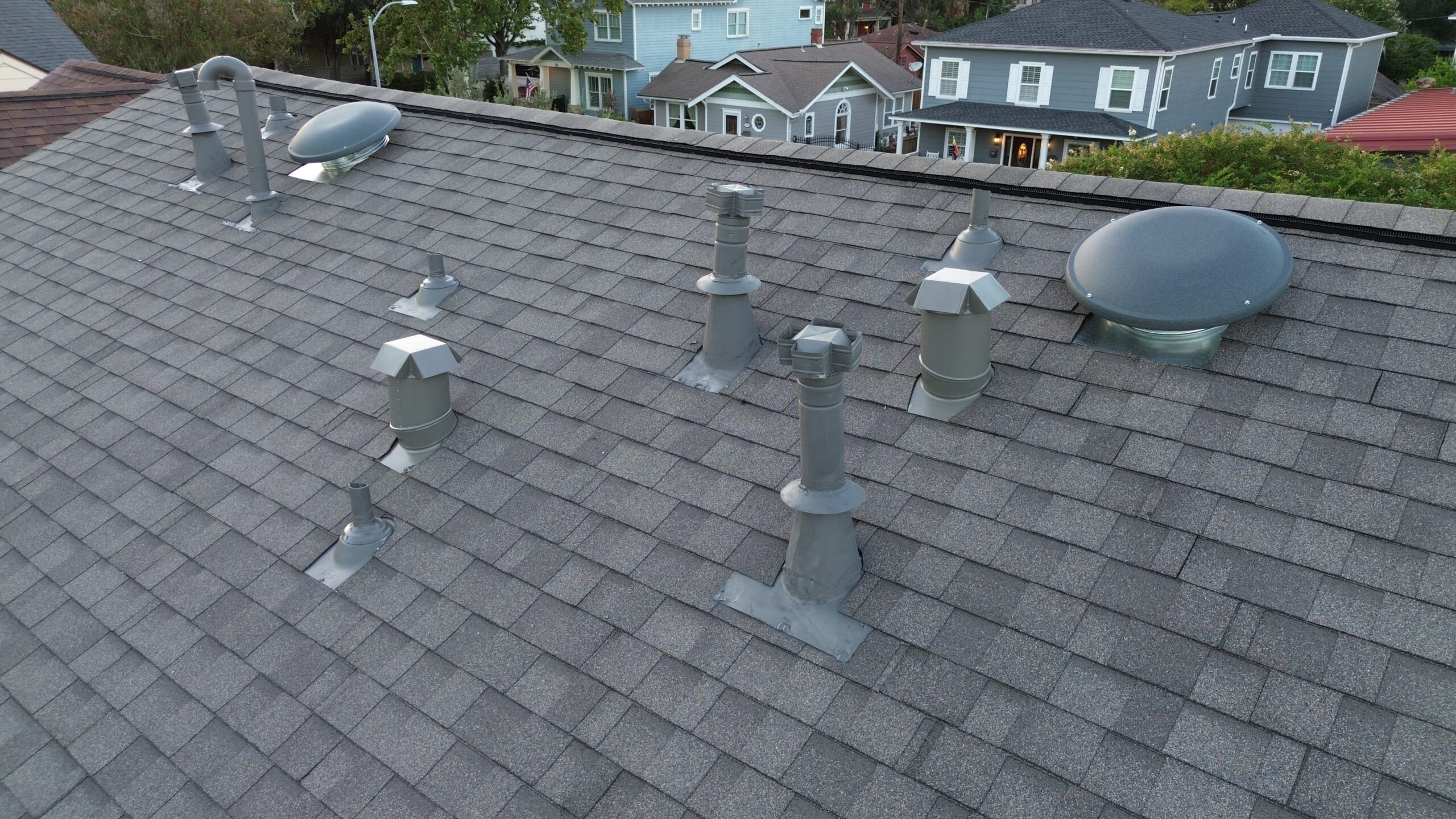
The next question that arises is why proper attic ventilation is crucial for a roof’s health? Well, this becomes clear when homeowners see how proper airflow affects roofing performance, as it helps to manage heat and moisture buildup beneath the roof deck. By balancing intake and exhaust airflow, with solutions, like ridge vents, soffit vents, and gable vents, ventilation systems lower attic temperatures, reduce mold growth, and relieve stress on roofing materials. In some cases, powered attic fans are also used to actively circulate air and maintain consistent ventilation. These solutions work together to optimize airflow, ultimately extending the overall roof lifespan.
Roof and Attic Insulation
Roof insulation counteracts Houston’s extreme temperatures and humidity. Proper insulation reduces heat transfer, which stabilizes indoor temperatures, seasons energy savings, and reduces stress on HVAC systems. It also minimizes condensation issues that otherwise accelerate roof deterioration.
Roofing Compliance, Permits, and Local Building Codes
Houston Roofing Permit Requirements
Under the City of Houston regulations, most roofing work, including roof replacement and substantial re-roofing, requires a building permit. Roofing projects are regulated by the Houston Permitting Center, which enforces local building codes and ensures that construction work (including roofs) complies with safety and structural standards. Residents and contractors can obtain or review permits through the City’s online permit portal.
Where to Apply for Roofing Permits?
- Permits are issued by the Houston Permitting Center, part of Houston Public Works.
- Homeowners can use the Houston Permit Portal to apply, pay fees, check status, and schedule inspections.
HOA Roofing Guidelines
Most homeowner associations (HOAs) require homeowners to obtain architectural approval before beginning roofing work. These rules are designed to maintain aesthetic consistency across the community, often regulating roofing materials, colors, and styles. While HOAs may require materials of equal or superior quality, Texas Property Code §202.011 limits an HOA’s ability to prohibit certain durable or impact-resistant roofing materials if they meet established appearance standards. Failure to obtain HOA approval may result in fines, legal action, or the required replacement of the roof.
Local Safety and Installation Standards
Houston follows the 2021 building codes, including wind‑design compliance and structural requirements based on location‑specific wind speeds. Roofing plans often must show compliance with wind design standards per ASCE 7‑22 and have engineered documents sealed by licensed professionals. Additionally, the city imposes fire safety standards on roofing operations, including regulations on torch‑applied systems and training requirements for flame devices.
Contractor Licensing and Insurance Requirements
While Texas does not require a state-issued roofing license, roofing contractors in Houston are expected to comply with local regulations and industry standards. The City of Houston offers a voluntary roofing contractor registration program, administered through the Houston Permitting Center, which typically requires proof of general liability insurance. In addition, many reputable roofing contractors obtain voluntary certifications and credentials from recognized industry organizations such as the Roofing Contractors Association of Texas (RCAT). These credentials help showcase the technical competence, adherence to best practices, and commitment to quality and safety.
Conclusion
In a city where weather conditions can shift rapidly and building standards continue to evolve, informed roofing decisions are required to keep your property protected for the long term. Taking a proactive approach, whether through timely inspections, qualified professionals, or code-compliant upgrades, helps reduce unexpected costs and avoid preventable damage. And, if you are searching for such professionals to take care of everything, TridentPro Construction has got you covered. We provide expert residential and commercial roofing solutions, from storm damage repairs to full installations, keeping your property safe and weather-ready.
Contact us today for expert roofing solutions and give your roof the VIP treatment it deserves!
FAQs
How Does Houston’s Heat, Humidity, And Storm Frequency Impact Roof Lifespan?
Houston’s intense heat, humidity, and frequent storms accelerate shingle wear, moisture damage, and aging, significantly shortening your overall roof lifespan.
How Can Homeowners Tell The Difference Between Roof Repair And Full Roof Replacement?
If you see minor leaks or isolated damage, it needs repairs; and when widespread shingle failure, sagging, or age over 20 years has passed, it signals full replacement.
What Roofing Maintenance Tasks Are Most Critical Before Houston’s Storm Season?
Inspect shingles, secure flashing, clean the gutters, check drainage, and seal vulnerabilities to prevent storm-related leaks and wind damage.
How Do Drone And Infrared Roof Inspections Improve Damage Detection?
Drones and infrared imaging detect hidden moisture, heat loss, and storm damage safely, accurately, and faster than traditional inspections.
How Does Roof Damage Documentation Support Insurance Claims After Storms?
With the help of detailed photos, inspection reports, and timelines, provide proof of storm damage that strengthens insurance claims and speeds up approval processes.